Why Landscaping in Nocatee Is Different
Nocatee sits in St. Johns County, in the Ponte Vedra/Jacksonville area of Northeast Florida — close enough to the coast to feel its humidity, but far enough inland to see real seasonal swings in rainfall and temperature. If you moved here from another region, or you're a longtime Florida resident who has never owned a home in a master-planned coastal community before, the landscaping playbook that worked somewhere else may not transfer directly. Grass that thrived in a drier climate can struggle here. Planting beds that never flooded at a previous home can hold standing water after a summer storm. And unlike many older neighborhoods, a lot of Nocatee's landscaping decisions run through a design review process before they run through your budget.
This guide is meant to be the starting point — a single place that orients you to how landscaping works in this specific area, what to expect throughout the year, and how to plan and staff a project sensibly. We also maintain more detailed guides on individual topics; where it's useful, we'll point you to our lawn care guide and our irrigation & drainage guide for a deeper dive.
Nocatee's Climate and Growing Conditions
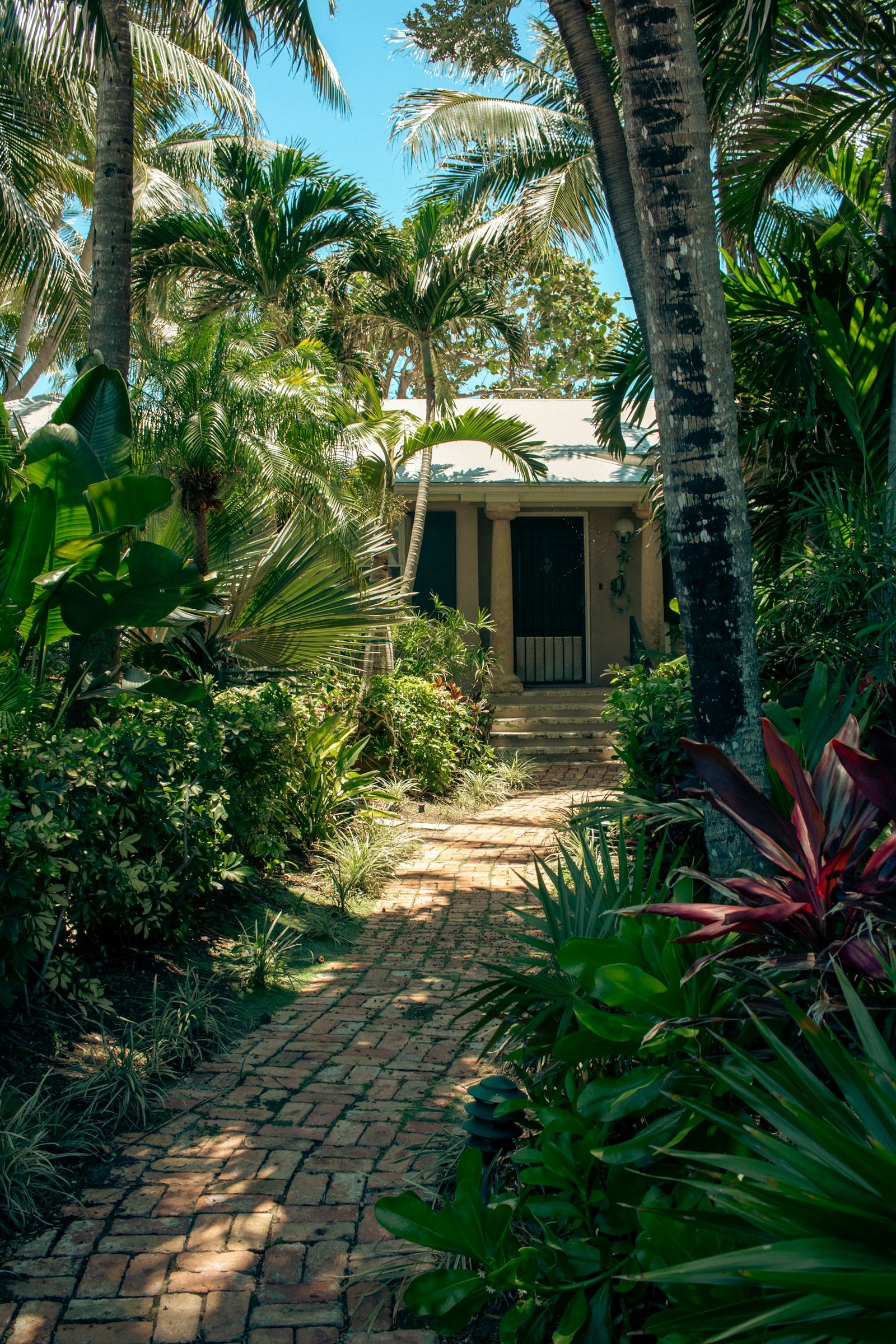
Nocatee falls in USDA plant hardiness zone 9a, meaning winters are mild — hard freezes are uncommon but not impossible — and summers are long, hot and humid. That combination shapes almost everything about landscaping here:
Hot, humid summers
High heat and humidity from roughly May through September push fast turf and weed growth, heavy irrigation demand and higher disease and fungus pressure on lawns and plants.
Mild winters
Winters rarely bring hard freezes, but occasional cold snaps can stress tropical plantings and slow warm-season grasses into dormancy.
Sandy soil
Much of the region sits on sandy, fast-draining soil that holds fewer nutrients and less moisture than clay-based soils, which affects fertilization and watering schedules.
High water table
Parts of Nocatee have a high water table, especially near ponds, preserve areas and drainage easements, which can affect drainage planning and plant selection.
Wet season (June–September)
Northeast Florida's rainy season brings frequent afternoon thunderstorms that can overwhelm poor drainage and reduce the need for supplemental irrigation.
Dry season (roughly October–May)
Cooler months bring less rainfall, which is when irrigation systems and drought-tolerant landscaping choices matter most.
None of this means landscaping here is harder than elsewhere — it just means the calendar and the material choices are specific to this region. A plan built around a generic national landscaping guide will often miss details that matter in a sandy, high-water-table, zone 9a community like Nocatee.
Water-Wise, Florida-Friendly Choices
Because irrigation demand and rainfall swing so much between Nocatee's wet and dry seasons, many homeowners in this area lean toward landscaping that reduces how much supplemental watering a yard needs overall. That generally means favoring plants suited to sandy, well-drained soil and Northeast Florida's heat and humidity, grouping plants with similar water needs together so irrigation zones aren't over- or under-watering parts of a bed, and using mulch to help planting beds retain moisture between rain events. None of this requires an all-native yard or a dramatic redesign — even small adjustments, like matching a plant's water needs to where it's placed, can meaningfully cut down on irrigation runtime and plant stress over a full year. A local landscaping professional familiar with this region can usually suggest plant and turf choices that fit both your yard's sun/shade pattern and the local climate, rather than relying on generic national plant lists.
What "Landscaping" Actually Covers
Homeowners often use "landscaping" as a catch-all term, but it's really a category made up of several distinct types of work. Understanding the pieces helps you describe your project accurately when requesting quotes.
Lawn care
Recurring mowing, edging, trimming and turf maintenance. See our lawn care guide for a full breakdown.
Irrigation
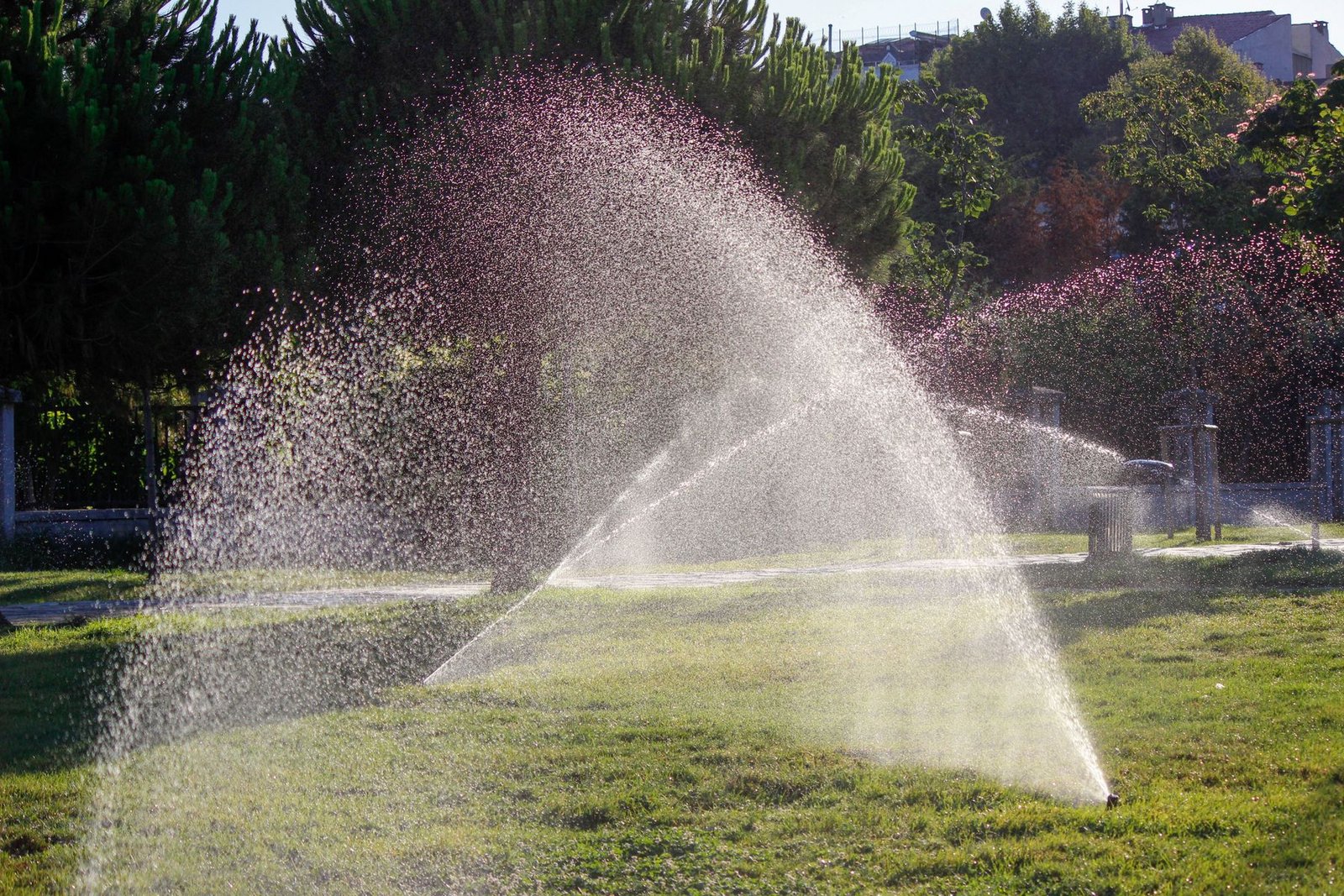
Sprinkler system design, installation, repair and seasonal adjustment. Covered in depth in our irrigation & drainage guide.
Drainage
Grading, French drains, swales and other work that manages where water goes during heavy rain — also covered in the irrigation & drainage guide.
Design & installation
Planning and installing new plant beds, trees, shrubs and overall yard layout, often for a new home or a full renovation.
Sod
Replacing dead, thin or damaged turf with new sod, typically St. Augustine or similar warm-season grass varieties common in this region.
Hardscaping
Patios, walkways, retaining walls, paver work and other non-plant structural elements of a landscape.
Landscape lighting
Low-voltage lighting for pathways, plant beds and architectural features, usually added after core landscaping is in place.
Seasonal cleanup
Periodic cleanup of beds, storm debris and overgrowth, often bundled with recurring lawn service.
A single property might need only one of these categories, or several at once — for example, a new sod installation paired with an irrigation check to make sure the new grass gets consistent water. When you request quotes, it helps to describe the full scope rather than assuming a provider will infer it.
A Nocatee Landscaping Calendar
Landscaping needs shift throughout the year in this region. The general pattern below is a starting reference — actual timing varies with weather in a given year, and a local professional can fine-tune it for your property. Thinking in seasons, rather than treating every month the same, is one of the simplest ways to avoid over-servicing a dormant lawn in January or under-watering a stressed one in July.
Spring (March–May)
Warm-season lawns come out of winter dormancy and green-up begins. This is a common window for pre-emergent weed control, first fertilization rounds, mulch refreshes and planning any larger installation projects before the peak heat of summer arrives.
Summer (June–September)
Growth is at its fastest, and this is Northeast Florida's wet season, with frequent afternoon storms. Mowing frequency typically increases, irrigation systems may need less supplemental watering during heavy rain stretches, and drainage problems tend to show up most clearly during this period.
Fall (October–November)
Growth slows as temperatures and rainfall taper off. This is often a good window for planting trees and shrubs, since cooler weather reduces transplant stress, and for catching up on any hardscaping or design projects delayed by summer heat.
Winter (December–February)
Warm-season grasses go dormant or semi-dormant. Mowing needs drop significantly. Winter is a reasonable time to plan next year's projects, address drainage or hardscaping work that doesn't depend on active plant growth, and watch for occasional cold snaps that can affect tropical plantings.
Planning & Budgeting Mindset
Landscaping costs vary widely by property size, scope and the specific professional you hire, so we won't quote figures here — but a useful planning habit is to separate "must-do now" items (a drainage problem, a dead lawn) from "would like eventually" items (lighting, a hardscape upgrade), then request quotes on the must-do work first. Getting multiple quotes for the same clearly described scope is the most reliable way to understand realistic pricing for your specific property.
Nocatee's HOA and Design Review Process
Nocatee is a large, planned community made up of multiple neighborhoods, and many of those neighborhoods carry homeowners association rules and an architectural or design review process for exterior changes. This is general, informational guidance only — rules, review bodies and requirements vary by neighborhood within Nocatee and can change over time, so we are not stating specific current HOA policies here.
As a practical matter, homeowners planning anything beyond routine mowing and maintenance — new plant beds, sod replacement with a different grass type, hardscaping, fencing tied to a landscape project, major tree removal or landscape lighting — should check with their specific neighborhood's HOA or architectural review guidelines before work begins. Many associations want submittals or approval ahead of installation, and finding this out after materials are purchased or work has started can mean redoing the project. If you're unsure who to ask, your community's HOA management contact or governing documents are the right starting point, not a landscaping contractor's assumption about what's allowed.
How to Plan a Landscaping Project as a Homeowner
Whether the project is a single lawn-care contract or a full yard renovation, a few habits tend to separate smooth projects from frustrating ones. Most of this is less about landscaping expertise and more about ordinary project-planning discipline — the kind that applies to any home project involving outside contractors, a budget and a timeline.
Start with a clear, written scope
Write down what you actually want done — even in plain language, not technical terms. "Replace the dead grass along the side yard and fix the drainage issue near the fence" is enough detail for a professional to start scoping accurately.
Think about timing
Some work is better suited to certain seasons — new sod and plantings generally establish better outside of peak summer heat, while drainage problems are often easiest to diagnose during the wet season when you can actually see where water collects.
Get multiple quotes for the same scope
Pricing and approach can vary meaningfully between landscaping professionals. Getting more than one quote, for the same clearly written scope, is the most reliable way to compare options fairly.
Budget in stages if needed
Large projects don't have to happen all at once. Many homeowners tackle drainage or lawn health issues first, then layer in design, hardscaping or lighting in later phases as budget allows.
Check HOA requirements before, not after
As noted above, confirm whether your project needs design review approval before ordering materials or starting work.
Ask about maintenance after installation
New sod, plants and irrigation adjustments often need specific care in the weeks right after installation — different watering frequency, for example, while roots establish. Ask upfront what that transition period looks like so you're not guessing once the crew leaves.
How to Evaluate and Choose a Landscaping Professional
Not every landscaping business is set up to handle every type of project. A crew that excels at recurring mowing may not be the right fit for a drainage redesign, and a design-focused firm may not want a small weekly mowing account. A few things worth confirming before you commit to hiring anyone:
- Relevant experience: Ask whether they regularly do the specific type of work you need — lawn maintenance, irrigation, drainage, design/installation or hardscaping are different skill sets.
- Familiarity with the area: A professional who already works in Nocatee or nearby Northeast Florida neighborhoods will typically understand local soil, drainage patterns and common HOA expectations without you having to explain them.
- Licensing and insurance: Confirm what licensing applies to the specific work (irrigation work, for example, often has its own licensing requirements) and that they carry appropriate insurance.
- References or reviews: Recent, relevant feedback from other homeowners — ideally for similar projects — is more useful than general star ratings alone.
- Clear, written quotes: A detailed quote that matches the scope you described is easier to compare and hold a provider to than a vague verbal estimate.
- Communication: How responsive and clear someone is during the quoting process is often a preview of what working with them will be like.
This is exactly the evaluation work our quote-matching process is designed to shortcut. Tell us once what you need, and we help connect you with local professionals who are positioned to handle that type of project.
Common Mistakes Nocatee Homeowners Make
- Skipping HOA review: Starting a visible exterior project before confirming neighborhood design requirements, which can mean redoing work.
- Ignoring drainage until it's a problem: Sandy soil and a high water table in parts of Nocatee mean drainage issues are easier to prevent than to fix after a lawn has died or water has intruded near a foundation.
- Watering on the wrong schedule: Overwatering during the wet season or underwatering during the dry season both stress turf; irrigation schedules generally need seasonal adjustment here, not a "set it and forget it" approach.
- Choosing plants without checking the zone: Plants suited to other climates can struggle or die in zone 9a's heat, humidity and occasional cold snaps.
- Getting only one quote: Without a second or third quote for comparison, it's hard to know whether a price or a proposed scope is reasonable.
- Treating "landscaping" as one job: Assuming a single provider handles lawn care, irrigation, drainage and design equally well, when these are often different specialties.
- Not asking about post-installation care: New sod and plantings often need a different watering routine for the first several weeks; skipping that guidance can undo an otherwise good installation.
- Waiting until a problem is severe to act: A patchy lawn or a minor drainage issue is usually cheaper and easier to correct early than after it has spread across the yard or caused water intrusion.
How the Quote Process Works
NocateeLandscaping.com is an independent referral resource, not a landscaping contractor. Tell us what you need once, and we'll use the details you provide to help identify local professionals who perform that type of work. Your request may be shared with up to three appropriate local pros, and there is no obligation to hire anyone. It's a way to shortcut the research above — climate fit, HOA awareness, relevant experience — without having to vet every provider yourself.
Frequently Asked Questions
What USDA growing zone is Nocatee in?
Nocatee falls in USDA plant hardiness zone 9a, which means mild winters with rare hard freezes and long, hot, humid summers. This affects grass type, plant selection and watering needs.
Do I need HOA approval for landscaping projects in Nocatee?
It depends on your specific neighborhood and the scope of the project. Many Nocatee neighborhoods have design review requirements for exterior changes, so it's worth checking your community's HOA guidelines before starting anything beyond routine maintenance.
When is the best time of year to install new sod or plants in Northeast Florida?
Spring and fall tend to be favorable windows, since temperatures are milder than peak summer, though established irrigation matters more than exact timing. A local professional can advise based on your specific property and plant choices.
Why does my yard have drainage problems after Nocatee's summer storms?
Sandy soil and a high water table in parts of the community can make some properties more prone to standing water during the wet season. Grading, swales and other drainage solutions can help — see our irrigation & drainage guide for more detail.
Is lawn care the same as landscaping?
No. Lawn care generally refers to recurring mowing, edging and trimming, while landscaping is the broader category that also includes irrigation, drainage, design, installation, sod and hardscaping. See our lawn care guide for details specific to that service.
How many quotes should I get before hiring a landscaping professional?
Most homeowners find that two or three quotes for the same clearly described scope gives a reasonable sense of typical pricing and approach for their property.