
When Homeowners Usually Need This Service
- A zone is not turning on, or won't turn off
- Sprinkler heads are broken, sunken, or leaking at the base
- Some lawn areas stay dry while others are soggy
- The system runs too long, too often, or on the wrong days
- The controller is confusing, unresponsive, or stuck on an old schedule
- Water is pooling in the yard, along the driveway, or near the foundation after rain
- A low spot in the lawn never seems to dry out
- Landscaping changes require moving heads, adding coverage, or rerouting a swale
In Nocatee and the rest of St. Johns County, irrigation and drainage problems are closely related, even though homeowners often think of them as separate issues. A yard that holds water after a storm is also a yard where St. Augustine grass can develop root rot, which then gets misread as an irrigation problem when the sprinklers are actually working fine. Understanding the basics of both systems helps you describe the right problem when you request quotes, and helps you evaluate whether a pro's proposed fix actually matches what's going on.
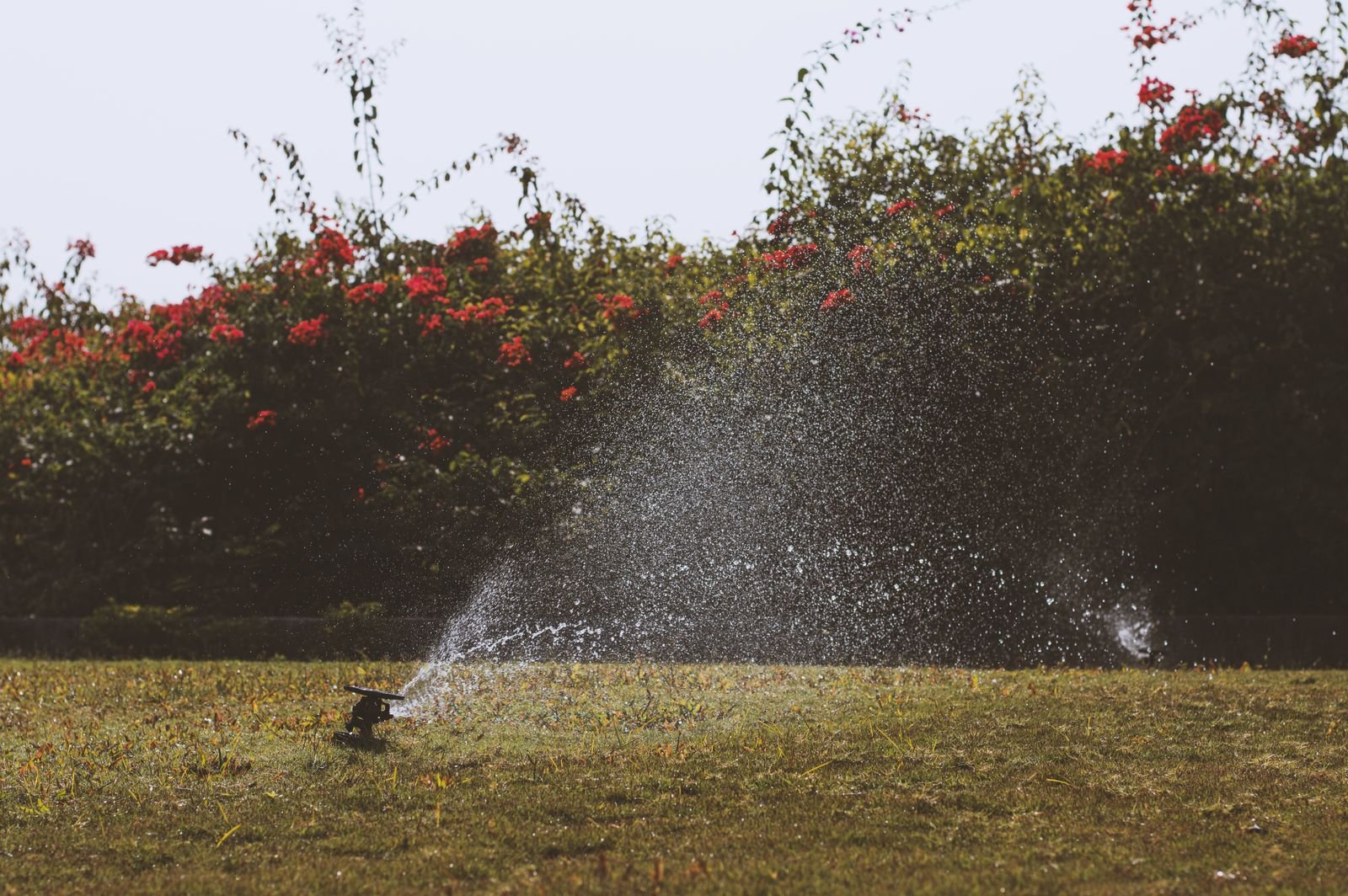
Irrigation System Basics: Zones, Heads, and Controllers
Most residential irrigation systems in Nocatee are divided into zones, groups of sprinkler heads or drip lines that run together on their own valve. Zones exist because a single water supply line usually can't run every head in the yard at once without losing pressure. A typical quarter-acre lot might have anywhere from four to eight zones: front lawn, back lawn, shrub beds, and sometimes a separate zone for a specific area like a side yard or a newly sodded section.
How Zones Are Organized
Zones are usually split by both location and plant type. Turf zones use pop-up spray heads or rotors that need more frequent, shorter watering. Shrub and bed zones often use drip irrigation or micro-spray, which delivers water more slowly and directly to the root zone with less waste from wind drift or runoff. If your system waters shrubs and lawn on the same zone, you're almost always over- or under-watering one of the two, since they have different needs.
The Controller (Timer)
The controller is the box, usually mounted in a garage or utility area, that tells each zone when to run and for how long. Older mechanical or basic digital controllers require you to manually update the run schedule as seasons change. Smart controllers connect to local weather data or a soil moisture sensor and adjust watering automatically, skipping cycles after rain and increasing run time during dry, hot stretches. For a climate like Northeast Florida's, where a wet June can be followed by a bone-dry October, a controller that adjusts on its own can meaningfully cut water use and reduce fungus problems caused by watering during already-wet periods.
Watering Schedules for St. Augustine Grass in This Climate
St. Augustine grass, the dominant turf variety in most Nocatee yards, generally does best with deep, infrequent watering rather than short daily cycles. Frequent shallow watering encourages roots to stay near the surface, which makes the lawn more vulnerable to drought stress and disease. Most established St. Augustine lawns in this region do well on two watering days per week during the growing season, with enough runtime per zone to put down roughly half an inch to three-quarters of an inch of water per session, adjusted for your soil type and sprinkler output.
Newly installed sod is the exception. New sod needs more frequent, lighter watering, sometimes daily, for the first couple of weeks while roots establish, then it should be stepped back down to a normal schedule. If you've had sod installed recently and are also planning irrigation work, mention that to any pro you contact, since it affects how they'll want to set your zones initially.
Water Restrictions: What to Know
St. Johns County and the St. Johns River Water Management District maintain year-round watering restrictions for most of Northeast Florida, generally limiting automatic irrigation to specific days of the week based on address, with different rules for daylight hours versus early morning or evening watering. These schedules and exact days are updated periodically, so rather than relying on a fixed rule, check the St. Johns River Water Management District's current watering restrictions directly, and make sure whichever irrigation pro you work with sets your controller to match the current schedule rather than an old default.
Common Sprinkler Problems
Broken or sunken heads
Lawn mowers, foot traffic, and settling soil are the most common causes. A broken head can waste a large amount of water quickly and often shows up as a visible geyser or a soggy patch.
Uneven coverage
Heads that don't match each other's spray pattern or throw distance ("mixed matching") leave some areas soaked and others dry, even within the same zone.
Low water pressure
A partially closed valve, a clogged filter, or too many heads on one zone can all reduce pressure enough that heads mist instead of spray, cutting their effective coverage radius.
Clogged or misaligned nozzles
Sand and mineral buildup are common in Florida's well or reclaimed water systems and gradually restrict flow or throw the spray pattern off target.
Valve or wiring failures
A zone that won't shut off, or won't turn on at all, is often a stuck valve or a wiring break between the controller and the valve box, rather than a problem with the controller itself.
Outdated or wrong schedules
Systems set once at installation and never revisited often water far more, or less, than the lawn actually needs for the current season.
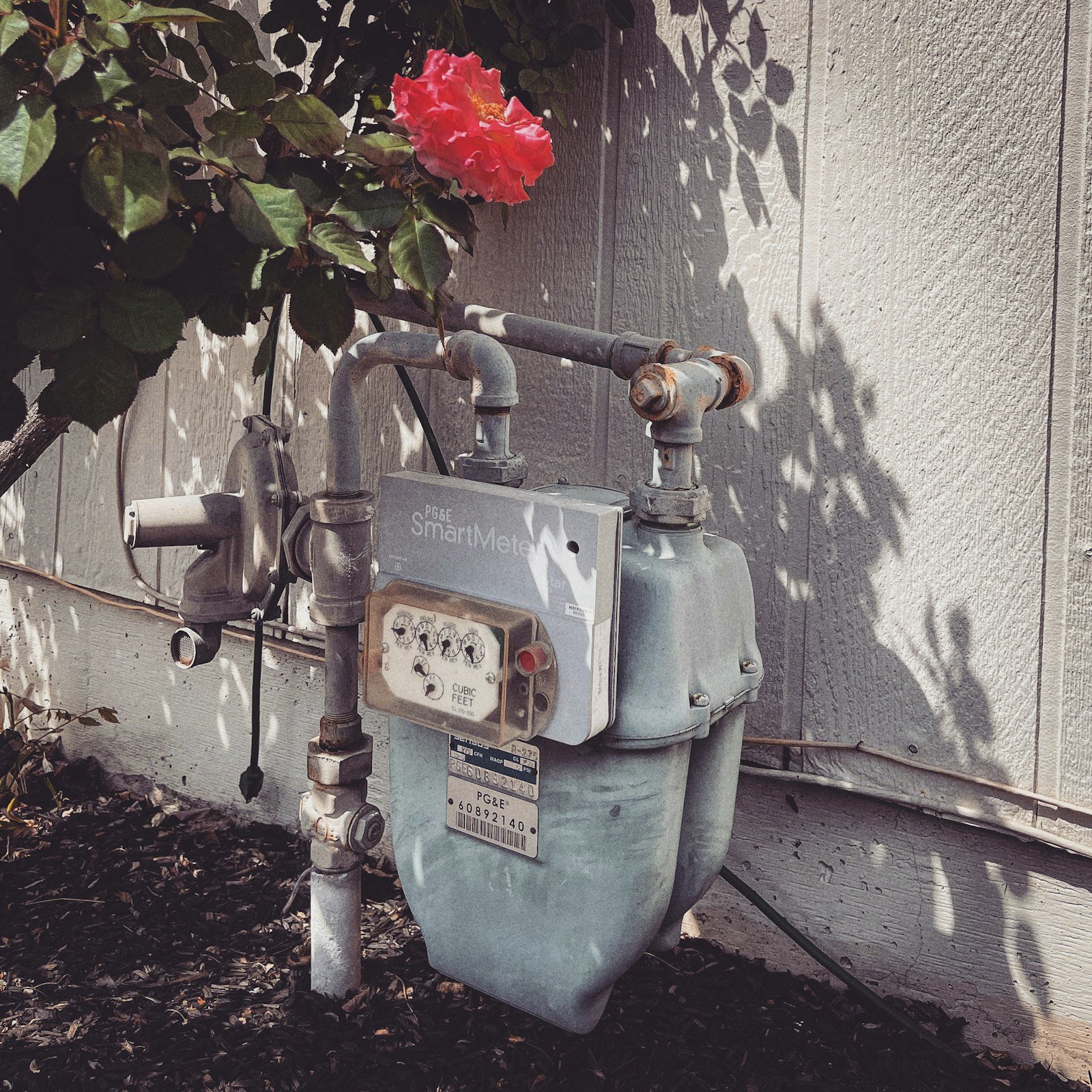
Backflow Prevention Basics
Florida plumbing code requires irrigation systems to include a backflow prevention device, which keeps water (and anything mixed into it, like fertilizer residue in a hose-end sprayer) from siphoning back into the household or municipal water supply if pressure drops. Most residential systems use a simple atmospheric vacuum breaker or a pressure vacuum breaker mounted above ground near the point of connection. These devices need occasional inspection, since a cracked or failed backflow preventer can either stop the whole system from working or, in rarer cases, create a genuine contamination risk. If your system is older or you're not sure whether it has a functioning backflow device, it's worth asking an irrigation pro to check it during a service call.
Smart Controllers and Seasonal Adjustment
Northeast Florida's climate swings hard between a wet season, roughly June through September, when afternoon thunderstorms can supply most of a lawn's water needs, and a much drier winter and spring where irrigation carries nearly the full load. A system left on the same year-round schedule is almost guaranteed to overwater in summer and potentially underwater in spring. Smart controllers that pull local rainfall or evapotranspiration data can adjust run times automatically and pause cycles after a storm. Even without a smart controller, manually stepping your schedule down in the wet season and back up in the dry season is one of the simplest ways to cut water waste and reduce fungal disease pressure on St. Augustine grass, which is notably sensitive to prolonged leaf wetness.
Signs of Over-Watering and Under-Watering
Over-Watering
Look for a spongy feel underfoot, visible fungus or mushrooms, a persistent musty smell, yellowing grass despite regular watering, and increased weed or mole cricket pressure. Over-watered lawns are also more prone to fungal diseases like large patch, which shows up as roughly circular brown or yellow patches, especially in cooler, wetter months.
Under-Watering
A lawn that's under-watered will often show a dull blue-gray tint before it browns, footprints that stay visibly compressed in the grass for longer than normal, and leaf blades that fold or roll lengthwise to conserve moisture. Dry, crunchy patches near the edges of a zone's spray pattern usually point to a coverage gap rather than a watering-frequency problem.
How to Evaluate and Choose an Irrigation Pro
Because irrigation work ranges from a five-minute nozzle swap to a full valve or controller replacement, it helps to ask a few basic questions before hiring anyone: Do they check the whole system, or only the specific zone you reported as a problem? Do they test for pressure and coverage, or just visually inspect heads? Will they walk you through the resulting schedule on the controller, and can they explain it in plain terms? A pro who takes the time to actually run each zone and watch it operate, rather than eyeballing the system while it's off, is more likely to catch a coverage or pressure issue that a quick visual check would miss.
Drainage in Nocatee and Northeast Florida
Nocatee sits on the flat coastal terrain typical of Ponte Vedra and the greater Jacksonville area, and that flatness is exactly what makes drainage tricky. With very little natural slope to move water off a property, even small grading problems or a few inches of settled soil can be enough to trap water in a yard for days after a storm. Soil composition adds another layer: many lots in this part of St. Johns County sit on sandy soil that drains quickly in some spots and denser, more clay-heavy or compacted soil in others, sometimes within the same yard. That inconsistency is why one homeowner's lawn can drain in hours while a neighbor's, on the same street, holds standing water for a day or more.
Common Causes of Standing Water
- Grading issues — soil that slopes toward the house or toward a low point instead of away from it, often introduced gradually as soil settles over years
- Compacted soil — heavy equipment, foot traffic, or fill dirt used during construction that hasn't been aerated can prevent water from soaking in at a normal rate
- High water table — much of Northeast Florida has a water table that rises close to the surface during the wet season, leaving less room for rainfall to infiltrate before it saturates the ground
- Clogged or undersized swales — shallow drainage ditches designed to carry water off a lot can fill with sediment, grass clippings, or landscaping debris over time and stop moving water effectively
- Downspouts and hardscape runoff — gutters that discharge directly onto turf, or patios and driveways that funnel water toward one spot, can overwhelm a small area even if the rest of the yard drains fine
Common Drainage Solutions
French Drains
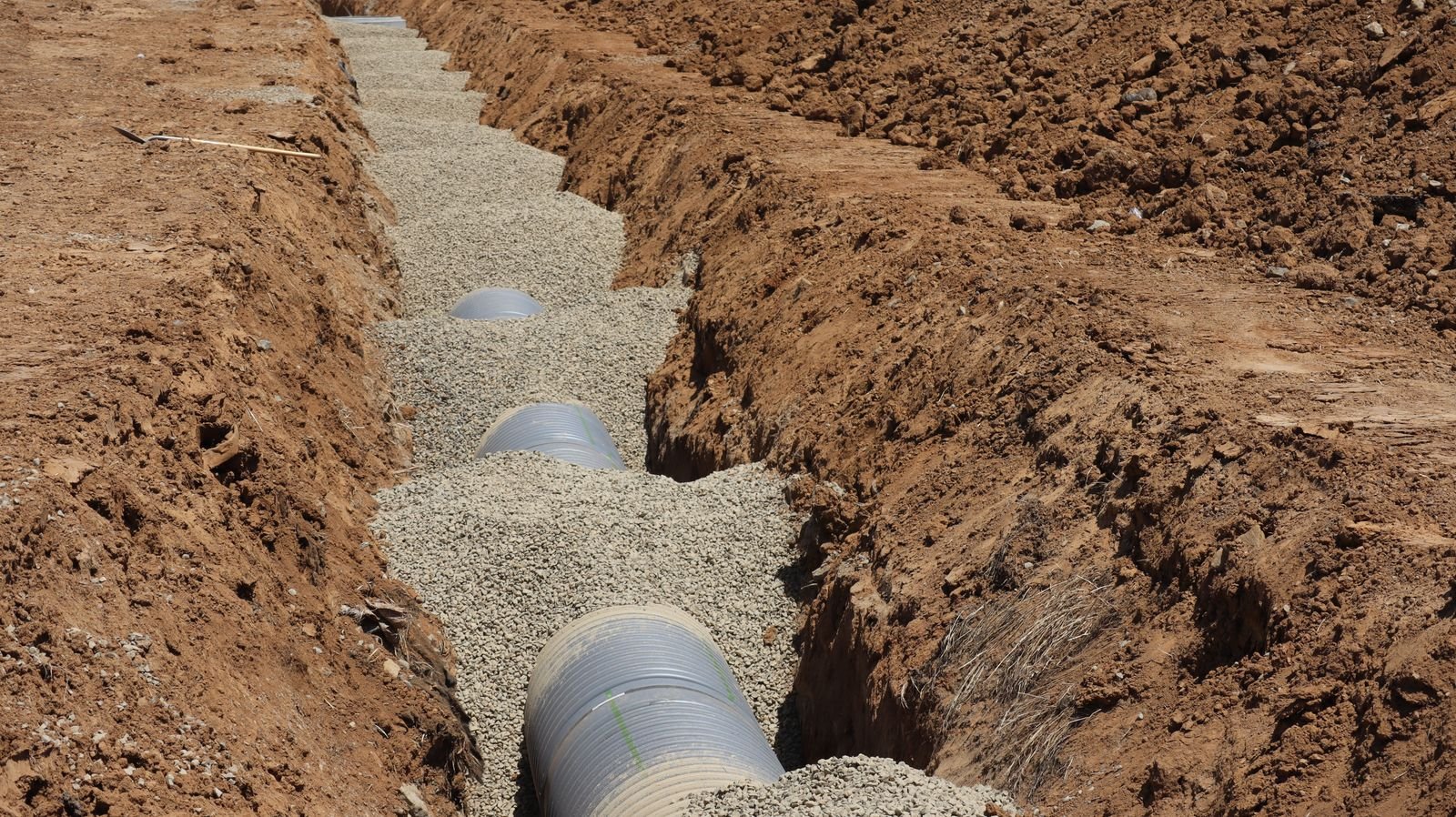
A French drain is a gravel-filled trench with a perforated pipe that collects groundwater and redirects it to a lower point, a swale, or a discharge area away from the house or problem spot. French drains work well for chronic wet spots caused by subsurface water movement, such as water that seeps in from a higher neighboring lot or collects along a foundation.
Grading and Regrading
Sometimes the simplest fix is also the most overlooked: reshaping the soil surface so water flows away from the house and toward an appropriate discharge point instead of pooling. Regrading is often combined with fresh topsoil and sod, and it's frequently the first thing a drainage pro will evaluate before recommending a more involved system.
Dry Wells
A dry well is an underground structure, often a gravel-filled pit or a perforated chamber, that collects water from a downspout or low area and lets it slowly percolate into the surrounding soil. Dry wells can be a good option where there's no convenient place to discharge water above ground, though they depend on having soil that will actually absorb water at a reasonable rate.
Swale Maintenance
Many Nocatee lots rely partly on community stormwater infrastructure, including shared swales and neighborhood pond systems designed to manage runoff across the whole development. Homeowners are generally responsible for keeping the portion of a swale on their own property clear of debris, mulch, and grass clippings, and for not altering its grade or blocking its flow. Specific maintenance responsibilities and any rules around swales or drainage easements are set by Nocatee's HOA and community stormwater management, so check your community's governing documents or reach out to your HOA directly for the authoritative answer on what you're responsible for versus what the community system handles.
Signs You Need Professional Drainage Help
Not every wet spot needs a full drainage system. But it's worth getting a professional opinion if you notice water standing for more than 24 hours after a normal rain, water pooling within a few feet of your foundation, a consistently soft or spongy area that never fully firms up, erosion or bare soil forming where water repeatedly flows across the same path, or a swale on your property that no longer appears to carry water during or after storms. Left alone, these issues tend to get worse rather than better, since standing water gradually compacts and further degrades the soil's ability to absorb the next rain.
How Drainage Problems Damage Your Property Over Time
Poor drainage rarely stays a cosmetic issue. Grass roots that sit in standing or saturated soil for extended periods are deprived of oxygen and become far more susceptible to root rot and fungal disease, which is why chronically wet areas often show thinning or dead turf even though they're technically getting "enough" water. Over a longer timeline, water that pools near a foundation can contribute to slab or footing problems, especially in a region with expansive or inconsistent soil. Mulch beds and shrubs in poorly drained areas are prone to root rot as well, and standing water anywhere on a property is also an easy breeding spot for mosquitoes, a genuine concern for anyone spending time outdoors in a Florida summer. Addressing a drainage issue early is almost always less disruptive than waiting until it has damaged turf, landscaping, or the structure itself.
Nocatee & Northeast Florida Considerations
Irrigation and drainage work in this area both need to account for the same regional realities: sandy-to-clay soil variability, a seasonal rainfall pattern that swings from very wet to very dry, a shallow water table for parts of the year, and community-level stormwater systems that interact with individual lots. Because Nocatee is a planned community, some properties may also have specific landscaping or drainage guidelines tied to their HOA, so it's worth checking your community's documents alongside any recommendations you get from a landscaping professional, and confirming any structural or drainage work near shared swales or ponds with your HOA before it begins.
Planning & Cost Factors
Simple irrigation repairs may involve a few heads or a controller setting, while valve, wiring, coverage, or full system-modification issues take more time and materials. Drainage projects vary even more widely: a regrading and sod repair is a relatively contained job, while a French drain system or a dry well involves excavation, pipe, gravel, and sometimes multiple discharge points. Getting a few local quotes is the most reliable way to understand what a specific problem on your property will actually involve.
How the Quote Process Works
Tell us what you need once. We'll use the details you provide to help identify local professionals who perform this type of work. Your request may be shared with up to three appropriate local pros, and there is no obligation to hire anyone.
Frequently Asked Questions
Why do I have dry spots even though the sprinklers run?
Coverage, pressure, blocked or misaligned heads, mismatched nozzle types, or landscape growth blocking the spray path can all create uneven watering, even when the system is technically running as scheduled.
Can irrigation be modified for a landscape renovation?
Yes. In many projects, irrigation adjustments should be planned along with new beds, sod, or hardscape, since changing plant types or hard surfaces often changes how a zone should be watered.
How is a drainage problem different from an irrigation problem?
Irrigation problems are about how water gets applied to your yard from the sprinkler system. Drainage problems are about where water goes, or fails to go, after it lands, whether from rain or irrigation. A soggy yard with the system turned off points to drainage; a soggy yard only where sprinklers run points to irrigation.
Is standing water after a storm always a sign of a problem?
Not necessarily. Some standing water for a few hours after a heavy downpour is normal, especially in a flat, high-water-table area like Nocatee. It's worth a closer look if water is still standing well over a day later, or if it happens after nearly every rain.
Do I need to diagnose the problem before requesting help?
No. 'Not sure what's wrong' is a perfectly useful answer in the quote form. Describing what you're seeing, like a wet spot, a dry patch, or a zone that won't shut off, is usually enough for a pro to start diagnosing on-site.
Will my HOA have rules about irrigation or drainage changes?
Possibly. Many Nocatee neighborhoods have guidelines around swale maintenance, exterior modifications, or water use, particularly involving shared stormwater systems and ponds. Check your community's governing documents or ask your HOA before making structural drainage changes near shared or common areas.