
Why Lawn Care in Nocatee Isn't Like Lawn Care Up North
If you moved to Nocatee from somewhere with cool-season grass — fescue, Kentucky bluegrass — the lawn care playbook you're used to mostly doesn't apply here. Northeast Florida has a warm, humid subtropical climate: long, hot, wet summers, short mild winters, and sandy, fast-draining soil that behaves very differently from the clay or loam most transplants grew up with. The grass that thrives here grows on a different calendar, has different pest and disease pressure, and needs a different watering approach — especially with St. Johns County's water use restrictions in play. This guide covers what actually matters for keeping a Nocatee lawn healthy year-round, what tends to go wrong, and how to think about bringing in a professional.
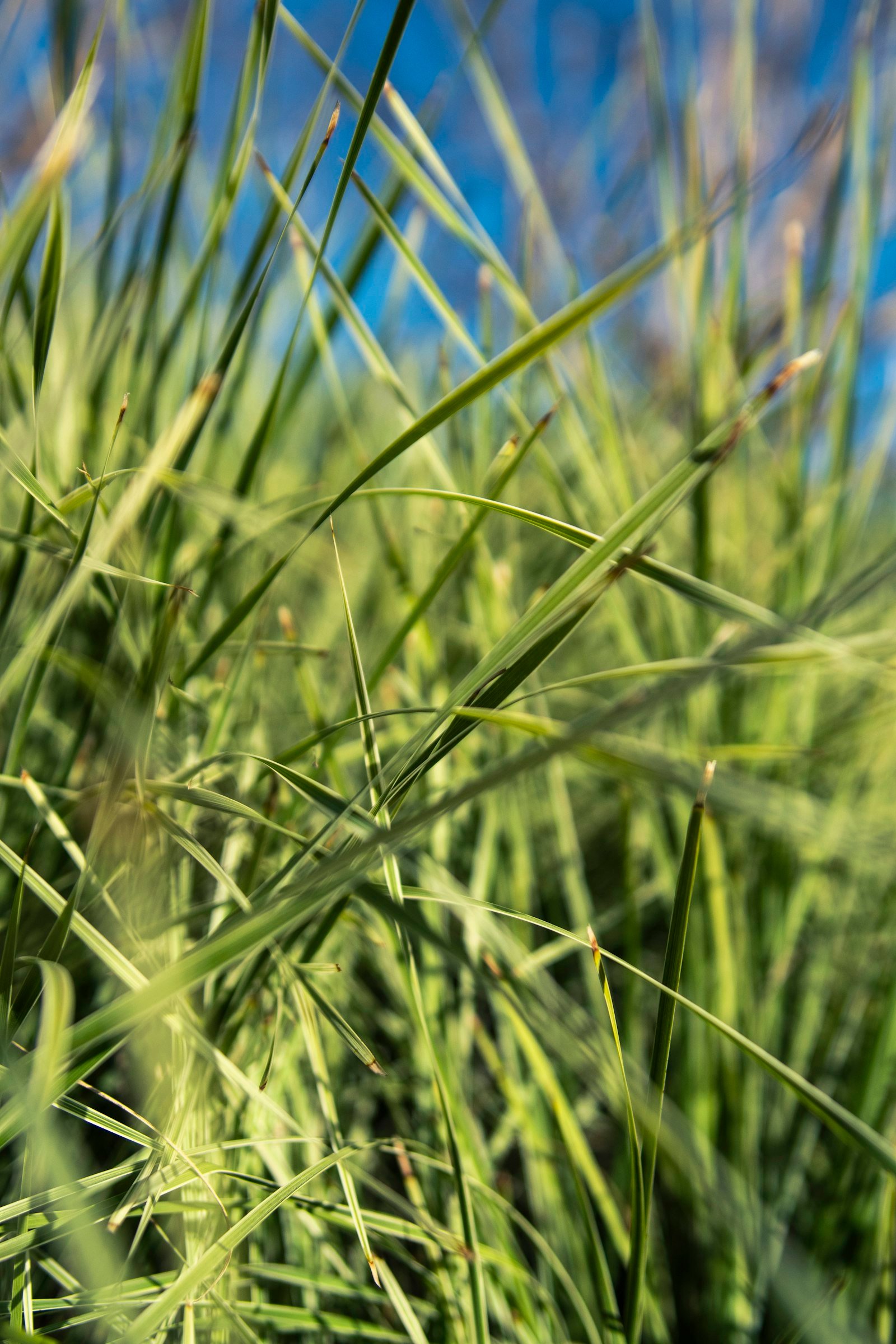
St. Augustine Grass: The Default Lawn in Nocatee
The overwhelming majority of lawns in Nocatee — and Ponte Vedra and the broader Jacksonville area generally — are St. Augustine grass, usually an improved cultivar such as Floratam, Palmetto, or CitraBlue. Builders favor it because it establishes quickly as sod, forms a dense, attractive carpet, and tolerates Florida's heat and humidity better than most alternatives. Some newer or more sun-exposed lots have Zoysia instead, and a smaller number have Bahia, more common on larger or less-manicured lots. Knowing which turf you have matters, since mowing height, fertilization timing, and pest vulnerability all differ by species.
What Makes St. Augustine Different to Maintain
St. Augustine spreads by above-ground runners called stolons rather than by seed, which is why it's sold and installed as sod or plugs, not seeded like a northern lawn. It has a shallower root system than some other warm-season grasses, part of why it's more sensitive to drought stress and dependent on consistent — not necessarily frequent — irrigation. It also prefers being mowed on the taller side; scalping it exposes the stolons, stresses the plant, and opens the door to weeds and disease. Most St. Augustine lawns here do best kept between about 3 and 4 inches, with the mower blade sharp enough to cut cleanly rather than tear the grass tip, itself an entry point for fungal problems.
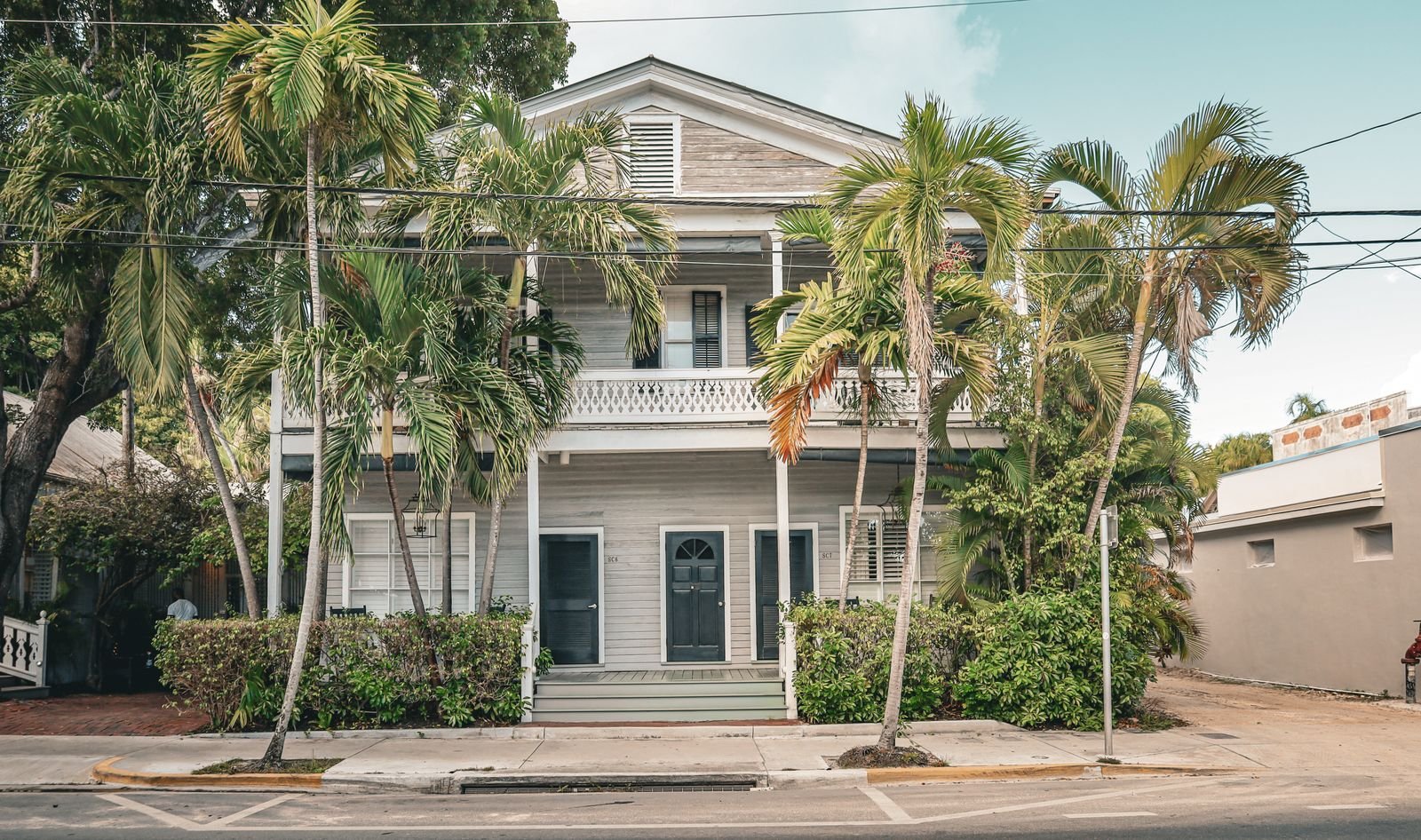
Northeast Florida's Sandy Soil: The Underlying Challenge
Nearly everything that makes lawn care here different traces back to the soil. Coastal Northeast Florida, including Nocatee, sits on predominantly sandy soil with very little organic matter or clay content. Sandy soil drains fast and rarely stays waterlogged, but that also means water and nutrients move through the root zone quickly and don't stick around for the grass to use — a fertilizer application that would feed a clay-soil lawn for six to eight weeks may be substantially depleted in half that time here, and the same holds for water, which is part of why irrigation scheduling in sandy soil is about frequency and depth, not just total volume.
This is also why soil testing is worth doing rather than guessing. Florida's sandy soils are often naturally low in certain micronutrients and can run acidic or alkaline depending on the neighborhood and how much shell or limestone content is in the fill dirt used during development, which varies block to block in newer communities. UF/IFAS Extension (University of Florida's agricultural extension service, with a St. Johns County office) offers soil testing and publishes region-specific lawn care guidance that accounts for this kind of local variability — a legitimate, non-commercial resource if you want specifics for your own lot rather than a generic rule of thumb.
The Seasonal Lawn Calendar for Nocatee
Warm-season grass here essentially has two modes: actively growing and semi-dormant. Knowing which mode the lawn is in changes almost everything about how it should be treated.
Spring (March–May): Green-Up and Establishment
As soil temperatures climb, St. Augustine comes out of dormancy and green-up ramps up through March and April. This is the window for the year's first fertilization — applied only after the lawn has visibly greened up, since fertilizing dormant grass mostly feeds weeds instead. Spring is also the best time to address bare or thin patches, since the grass has the whole growing season ahead to fill in.
Summer (June–September): Peak Growth and Wet Season
This is the growing season in full force and also Northeast Florida's wet season, with afternoon thunderstorms supplying a meaningful share of the lawn's water needs. Mowing frequency typically needs to increase, sometimes to weekly, since growth is fastest here. It's also the season of highest disease and pest pressure — heat, humidity, and consistent moisture are exactly what fungal pathogens and insects favor — and a lawn can go from fine to visibly damaged in a week or two if chinch bugs or brown patch take hold.
Fall (October–November): Slowing Down
Growth tapers as temperatures and day length drop. A final light fertilization is common in early fall, but by late fall the focus shifts toward preparing the lawn to go into winter healthy, since a late-season nitrogen push can leave grass more vulnerable to cold-related stress and disease.
Winter (December–February): Dormancy or Semi-Dormancy
Northeast Florida winters are mild, but cool enough that St. Augustine slows substantially and can take on a straw-brown cast, especially after a frost, without actually being dead. This isn't a fertilizing season — dormant grass isn't actively using nutrients — or a season for aggressive mowing. It is, however, a reasonable time for structural work: bed edging, hardscape cleanup, irrigation checks, and planning for spring.
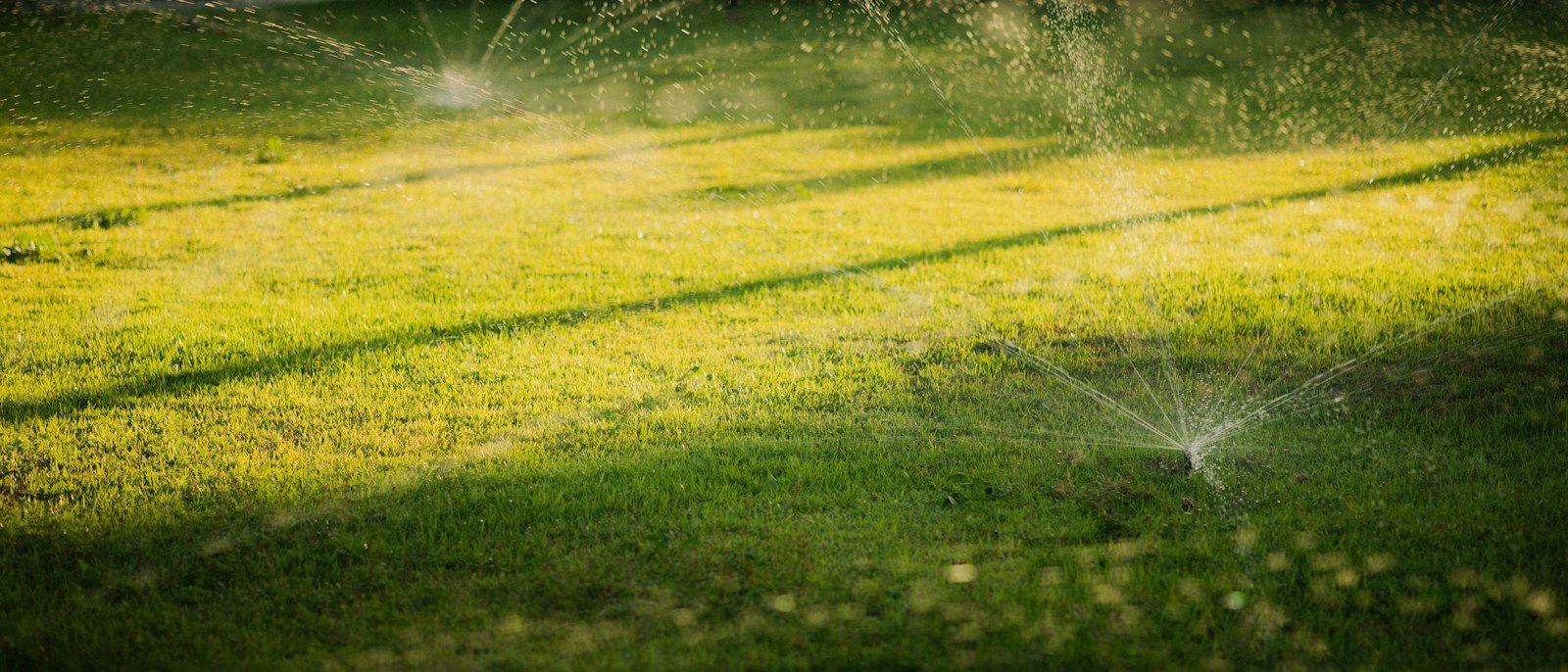
Watering: Getting It Right Under Local Restrictions
Watering is probably the most misunderstood part of Florida lawn care, and the one homeowners have the least flexibility on, because irrigation in St. Johns County is governed by the St. Johns River Water Management District's watering restrictions, not just personal preference. These rules typically limit landscape irrigation to specific days of the week based on address, and to time windows that avoid watering during the heat of the day when evaporation loss is highest. Because the day-of-week assignment and any seasonal modifications can change, verify current allowed watering days directly with the district or St. Johns County rather than assuming last year's schedule still applies.
Within whatever schedule applies, the principle for St. Augustine on sandy soil is the same: water deeply and infrequently rather than lightly and often. A light daily sprinkle wets only the top layer of soil, keeps roots shallow, and evaporates quickly in Florida heat — close to the least effective way to irrigate this turf. A deeper watering that soaks down several inches encourages roots to grow downward chasing that moisture, producing a more drought-resilient lawn. Many lawns here need little or no supplemental irrigation during the height of summer wet season, when thunderstorms do the work; irrigation matters most during the drier spring and fall stretches and any extended dry spell.
The most reliable sign a lawn needs water is the grass itself: blades that fold or curl lengthwise, a blue-gray tint replacing the normal green, or footprints that stay compressed instead of springing back. Watering on a fixed calendar regardless of these signals, or regardless of recent rainfall, is one of the most common ways homeowners waste water or stress their lawn — an irrigation controller left on its move-in-day default, never adjusted since, is extremely common in newer communities like Nocatee.
Common Lawn Problems in Nocatee and Northeast Florida
Most lawn damage homeowners deal with here falls into a handful of recurring categories, and correctly identifying which one you're looking at matters, since the fixes are different — sometimes opposite.
Chinch Bugs
Southern chinch bugs are the most damaging insect pest of St. Augustine grass in Florida. They feed by piercing grass blades and withdrawing sap, injecting a toxin that causes the grass to yellow and die in irregular patches. Damage typically shows up first, and worst, in the hottest, sunniest, most drought-stressed parts of the lawn — a telling clue, since chinch bugs are drawn to stressed turf. It tends to expand outward from an initial patch and is often worse along pavement edges (driveways, sidewalks) where reflected heat raises soil temperature.
Brown Patch and Other Fungal Disease
Brown patch (large patch) is a fungal disease that thrives in the same warm, humid, wet conditions Northeast Florida summers provide, and it's especially common when lawns are watered in the evening and stay damp overnight. It typically appears as roughly circular patches of brown or yellowing grass, often with a slightly darker "smoke ring" border at the active edge, and unlike chinch bug damage it favors damp, shaded, or poorly drained areas and overwatered turf rather than the hottest, driest spots.
Telling Chinch Bug Damage From Fungal Damage
This trips up a lot of homeowners because both produce patchy brown or yellow grass, but the cause — and the fix — is different. Chinch bug damage concentrates in hot, sunny, dry areas and along heat-reflecting pavement, tends to have a ragged, expanding edge, and if you part the grass at the edge of a patch you may actually see the small black-and-white insects. Fungal damage tends to show up in damp, shaded, or overwatered areas, often has a more distinctly circular shape, and doesn't involve visible insects. Treating one like the other usually just lets the real cause keep spreading, which is a good reason to get a professional opinion when a patch keeps growing rather than guessing.
Drought Stress and Heat Stress
Even without an insect or fungus involved, St. Augustine's shallow root system means it can show real stress during hot, dry stretches, particularly on lawns with compacted or nutrient-poor soil — usually a dulling or graying of color and loss of resilience (the "footprints that don't bounce back" sign) before it progresses to actual browning.
Weeds Moving Into Thin Turf
Weeds are mostly opportunistic in St. Augustine lawns: dense, healthy, properly mowed turf shades out most weed seedlings on its own. Weeds tend to move in wherever the grass has already thinned from some other stress — scalping, disease, chinch bug damage, foot traffic, or deep shade under live oaks, common throughout Nocatee. Persistent weed problems in one spot are often a symptom of an underlying turf health issue rather than a standalone problem to spot-treat forever.
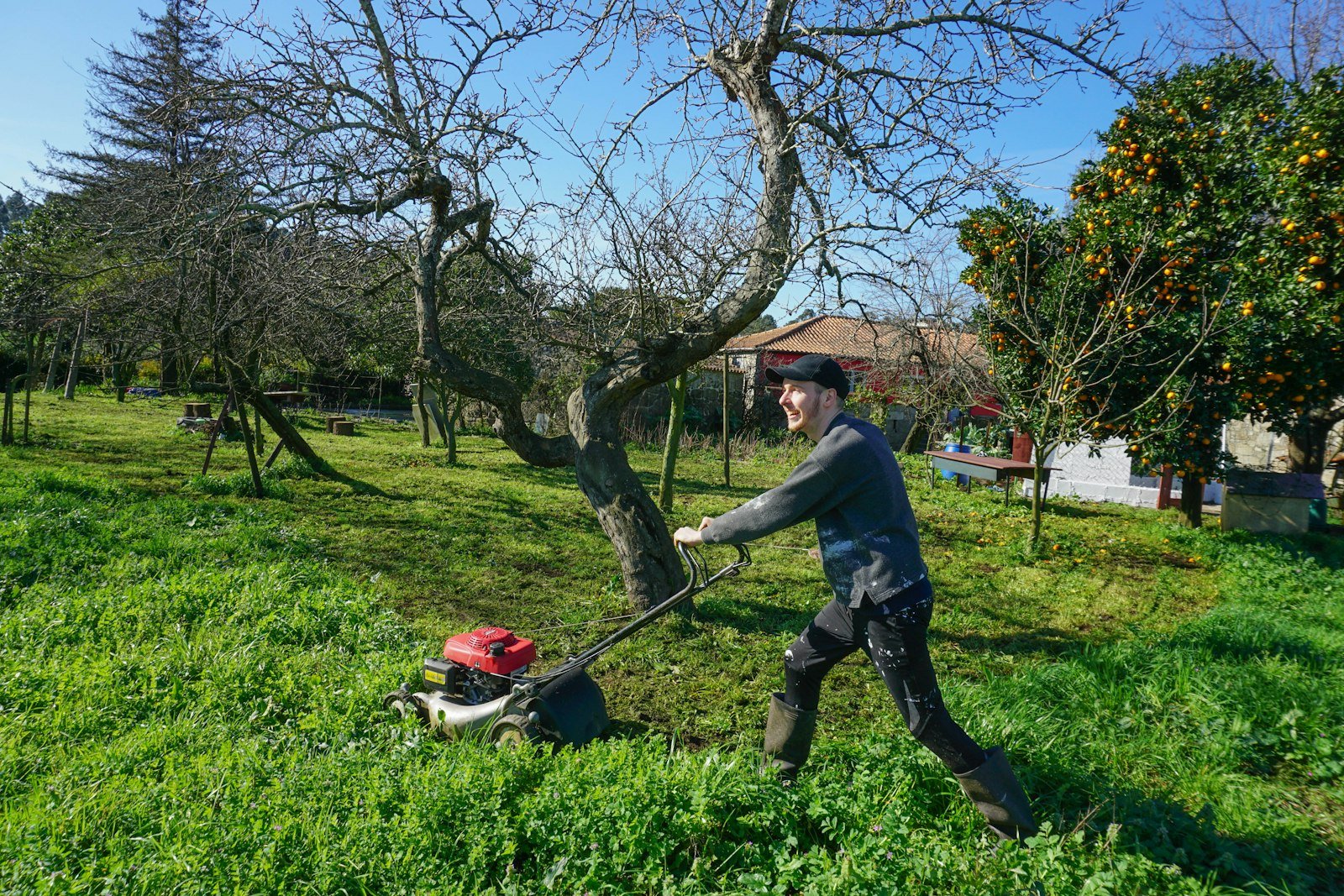
Mowing, Edging, and Mulching Basics for This Climate
Mowing
Beyond keeping St. Augustine at that taller 3-to-4-inch range, the other big factor is blade sharpness — a dull blade shreds the grass tip rather than cutting it cleanly, and that torn tissue is more vulnerable to fungal infection and dries out faster in Florida heat. The "never remove more than about a third of the blade height in one cut" rule matters more here than in slower-growing cool-season lawns, since it's easy to let a fast-growing summer lawn get away from you and then scalp it trying to catch up. Clippings left on the lawn in moderate amounts (not thick clumps) break down and return some nitrogen to the soil — a small, free offset to sandy soil's nutrient-holding limits.
Edging
Clean edges along driveways, walkways, and beds do more than look tidy — they slow St. Augustine's stolons from creeping into beds and hardscape, otherwise an ongoing maintenance headache. In neighborhoods like Nocatee, where HOA standards often expect a crisp, maintained look, regular edging is one of the more visible signals of a well-kept property.
Mulching Beds
Mulch around trees and beds does real functional work in sandy Florida soil beyond curb appeal: it slows moisture evaporation, moderates soil temperature swings, and suppresses weeds. Keep it a few inches back from tree trunks and shrub stems — piling mulch directly against a trunk ("mulch volcanoes") holds moisture against the bark and can promote rot, a mistake that shows up often even on well-kept properties. Because organic mulch breaks down faster in Florida's heat and humidity than in a cooler climate, beds typically need refreshing more often here than up north.
What a Professional Lawn Care Visit Typically Includes
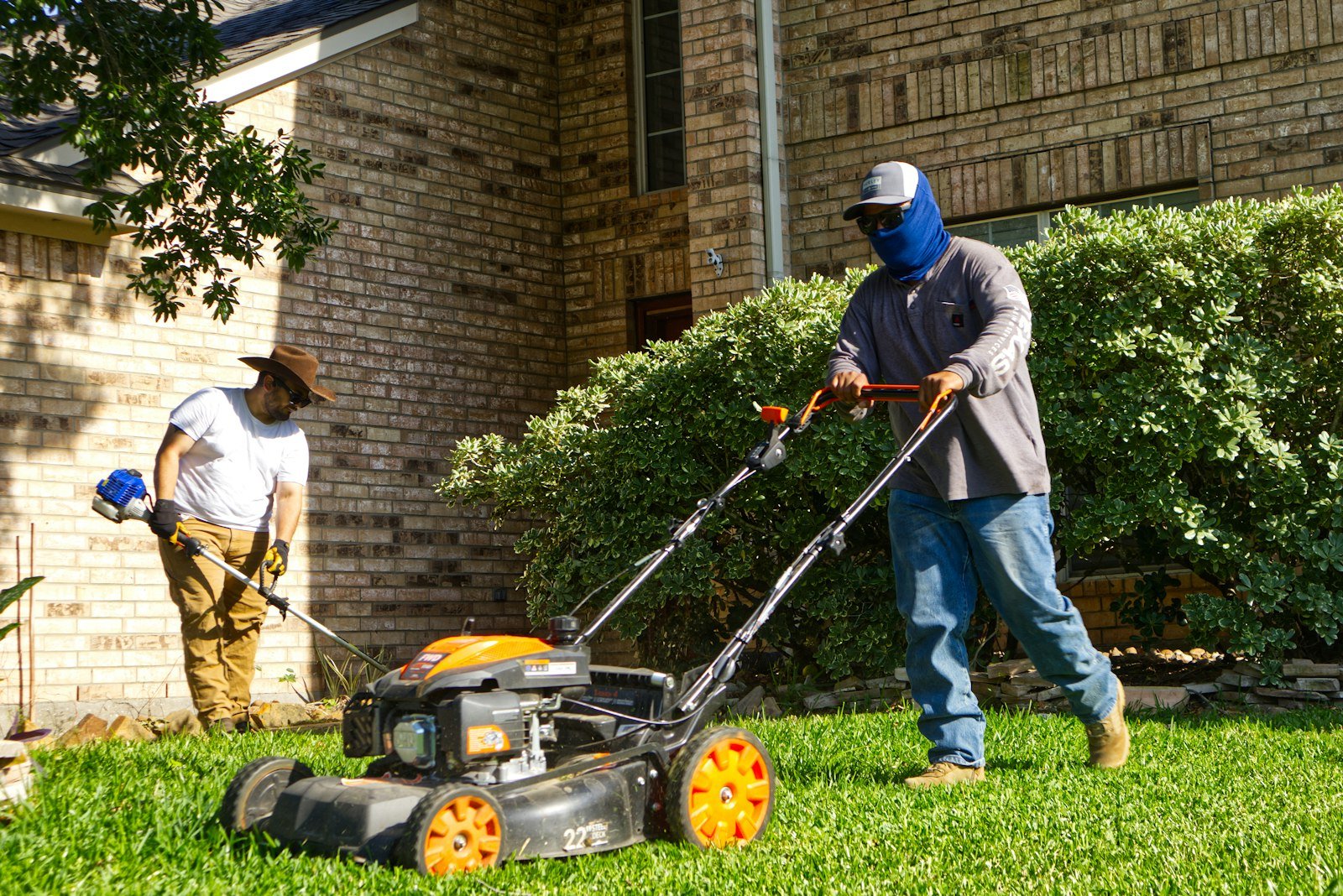
Recurring lawn service from a local pro generally covers a consistent core: mowing at the correct height for your turf type, edging along hardscape and beds, string trimming in spots a mower can't reach, and blowing clippings and debris off driveways, walkways, and patios. Many providers also offer — bundled or as an add-on — fertilization and weed control timed to the local growing season, pest and disease treatment, irrigation checks and adjustments, shrub and hedge trimming, mulch refreshes, and seasonal cleanup such as post-storm debris removal, a real consideration in a hurricane-exposed area like Northeast Florida.
What's included varies a lot between providers and service tiers, so it's worth being specific about what you want up front — a bare-bones mow-edge-blow visit is a very different service, and typically a different cost structure, than a full lawn health program with fertilization and pest management. Confirming this before the first visit avoids expecting a comprehensive service and getting only a basic mow.
How to Evaluate and Choose a Lawn Care Provider
A few things are worth checking regardless of who you're considering:
Local, Region-Specific Experience
A provider who works regularly in Northeast Florida on St. Augustine and Zoysia lawns will recognize chinch bug damage versus brown patch versus drought stress on sight, and will already know the seasonal rhythm — when to fertilize, when not to. That pattern recognition typically comes from working this specific climate and turf type, not from general landscaping experience elsewhere.
Licensing and Insurance
Anyone applying fertilizer or pesticides commercially in Florida should hold the applicable state licensing, and any provider working on your property should carry general liability insurance. It's reasonable to simply ask for this before hiring, rather than assume.
Clear, Written Scope and Reliable Communication
A trustworthy provider should say plainly what's included in a visit or recurring plan — mowing height, frequency, what costs extra — rather than leaving it vague, a common source of homeowner dissatisfaction. Consistency matters too: showing up on schedule, communicating about weather delays, and being reachable if something goes wrong.
References From Similar Properties
A provider with a track record on comparable properties nearby — similar lot size, turf, and HOA standards — is a more useful reference point than generic reviews, since lawn care needs in a planned community like Nocatee can differ from an older or rural neighborhood.
What Affects Lawn Care Cost
Rather than quote specific numbers — which vary considerably by provider, season, and property — it's more useful to understand what actually drives cost:
- Lot size and lawn area — more turf to mow, edge, and treat means more time on-site per visit.
- Property complexity — lots of beds, curves, trees, slopes, or obstacles slow a crew down compared to a simple open rectangle of lawn.
- Service frequency — weekly summer mowing costs more over a season than biweekly, simply because there are more visits.
- Scope of service — a basic mow-edge-blow visit is priced differently than a full program that adds fertilization, pest control, and irrigation management.
- Current lawn condition — a neglected lawn or one with an active pest or disease problem may need corrective work before it settles into routine maintenance pricing.
- Access and logistics — gated communities, narrow side-yard access, or HOA scheduling requirements affect how efficiently a crew can service a property.
Because these variables differ so much property to property, the only reliable way to know what your lawn will cost to maintain is to have a local provider look at it directly rather than rely on a generic number.
Frequently Asked Questions
Is St. Augustine grass really the best choice for Nocatee lawns, or should I consider switching?
St. Augustine is the default for a reason — it handles Florida heat and humidity well and forms a dense, attractive lawn, which is why most Nocatee properties already have it as installed sod. Switching turf types is a significant undertaking and usually isn't worth it unless there's a specific problem, like unusually deep shade, that St. Augustine genuinely struggles with on your lot. For most homeowners, the better return is maintaining the St. Augustine you already have correctly.
Why does my lawn look brown in winter — is it dead?
Almost certainly not. St. Augustine goes semi-dormant in Northeast Florida's cooler months and commonly takes on a straw-brown or tan cast, especially after a frost, without the plant actually dying, and typically greens back up on its own in spring. This is different from the patchy, irregular brown spots caused by chinch bugs or fungal disease, which can occur in any season including summer.
How do I know if I have chinch bugs or a fungal disease like brown patch?
Location and pattern are the best first clues: chinch bug damage tends to show up in the hottest, sunniest, most drought-stressed areas and along pavement edges, while fungal disease favors damp, shaded, or overwatered spots and often shows a more distinctly circular patch with a darker ring at the edge. If you're not confident which one you're seeing, a local lawn care professional can usually identify it on sight, and getting it right matters since the treatments differ.
How often does my lawn actually need to be watered given St. Johns County's restrictions?
It depends on season, recent rainfall, and soil, but the principle is to water deeply and infrequently rather than lightly every day, letting the grass itself signal when it needs water — folding or curling blades, a dulled blue-gray color, or footprints that don't spring back. During summer wet season, many lawns need little or no supplemental irrigation. Always confirm your property's current allowed watering days directly with the St. Johns River Water Management District, since restrictions are tied to address and can change.
Should I fertilize my lawn year-round?
No — fertilizing dormant grass in winter mostly feeds weeds rather than the lawn, since St. Augustine isn't actively using nutrients then. Fertilization is generally most useful from spring green-up through the growing season, tapering off in early-to-mid fall, though the right schedule depends on your lawn's specific condition and history.
Do I need to know my exact lawn square footage to get a quote?
No. You don't need to measure anything or have technical landscaping knowledge to request quotes through this site — describe your property and what you're looking for, and local professionals can assess the details when they see it.
Can I bundle lawn mowing with fertilization, pest control, and shrub trimming?
Yes, many local providers offer these as combined recurring programs rather than one-off services, often more consistent for lawn health than booking each separately. Note everything you're interested in when you submit a request so it can be matched to professionals who offer that full scope.