
Published September 2026 · Lawn Troubleshooting
The Wet Season Trade-Off
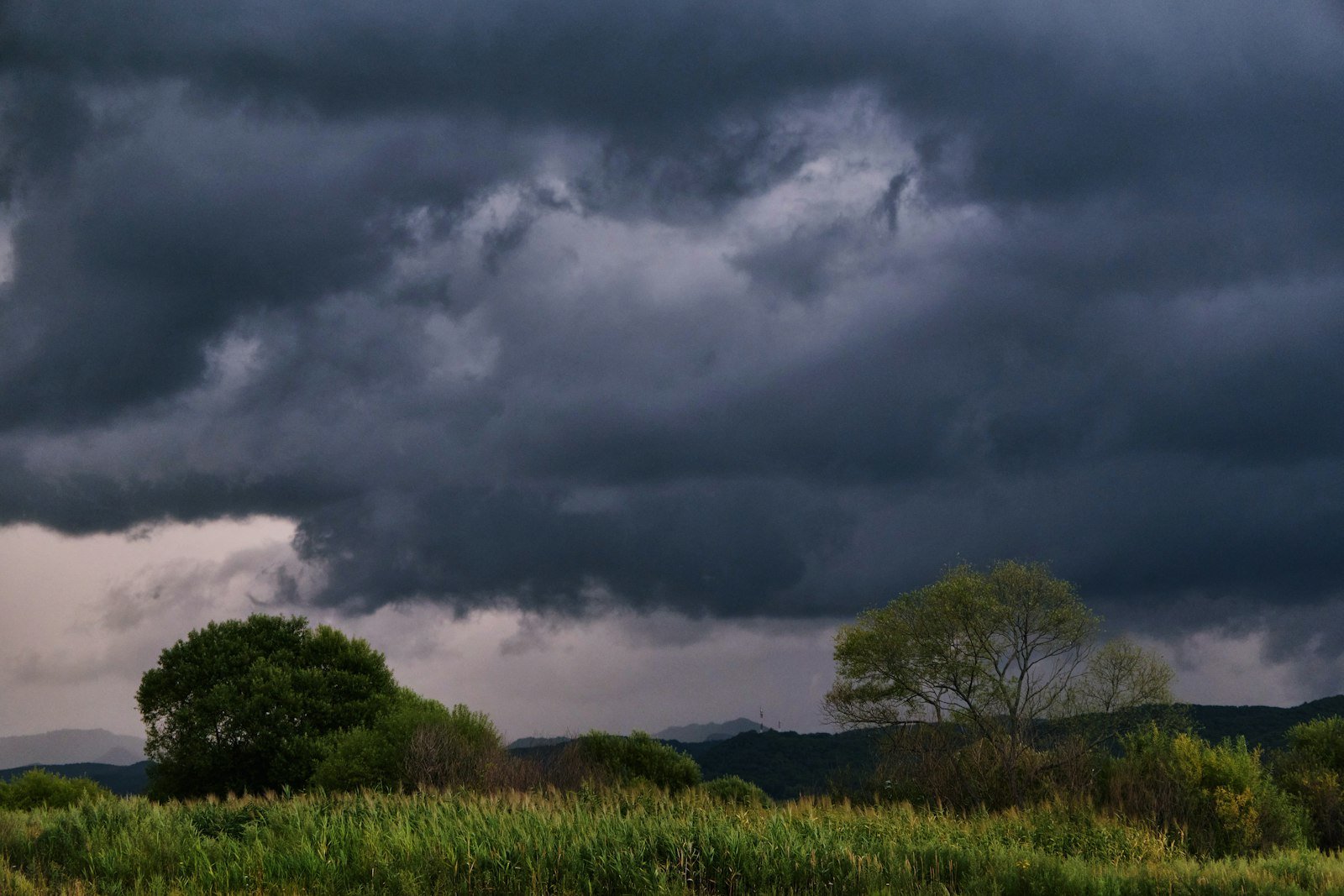
Every homeowner in Nocatee learns the same rhythm eventually: June through September brings near-daily afternoon thunderstorms, sometimes stacking two or three heavy downpours in a single week. That rain is part of why lawns here stay green longer than turf up north — but it's also the single biggest reason St. Augustine lawns run into trouble each summer. A lawn that looked fine in May can turn patchy, yellow, or soggy-soft underfoot by August, and it's rarely because anything went "wrong" in the traditional sense. It's a fairly predictable response to how much water the lawn has been sitting in, and understanding why makes it much easier to tell a normal rough patch from something that needs attention.
What Heavy Rain Actually Does to a Lawn
Saturated Soil Starves Roots of Oxygen
Grass roots don't just need water — they need air pockets in the soil to breathe. When soil stays saturated for days at a time, water fills those pockets and pushes oxygen out, and root function starts to suffer. Even St. Augustine's shallow root system, which normally makes it fairly resilient, can't function well in soil that's been waterlogged repeatedly. The result is often a general yellowing or dulling of color that isn't tied to any one obvious cause — the grass simply isn't able to take up what it needs.
Humidity and Moisture Fuel Fungal Disease
Warm temperatures, high humidity, and grass blades that stay wet for extended stretches are close to ideal conditions for fungal pathogens like brown patch (large patch) and gray leaf spot, both common in St. Augustine lawns across Northeast Florida. These diseases are present in soil most of the time at low levels; what changes in wet season is that conditions suddenly favor them, and they can spread through a lawn within a week or two once they get going.
Nutrients Get Washed Out of Sandy Soil
Nocatee's soil is predominantly sandy, which drains fast and doesn't hold nutrients well even in normal conditions. Heavy, repeated rainfall accelerates that leaching — nitrogen in particular moves through sandy soil quickly — so a lawn that was fertilized on a normal schedule can still show signs of nutrient deficiency after a run of storms simply because the rain carried much of it below the root zone before the grass could use it.
Standing Water Compacts Soil and Smothers Grass
Low spots, areas near downspouts, or anywhere drainage is marginal can hold standing water for hours after a storm. Grass under standing water is cut off from oxygen entirely, and repeated saturation compacts the soil over time, making future drainage worse. These spots are often the first to show damage and the slowest to recover, since the underlying drainage problem doesn't go away between storms.
Telling These Problems Apart
The frustrating part for most homeowners is that waterlogged yellowing, fungal disease, and nutrient deficiency can all produce a similar first impression: a lawn that looks off. But they look different up close, and treating the wrong one usually wastes time and can make things worse.
Waterlogged / Oxygen-Starved
Widespread, fairly even yellowing or dulling rather than distinct patches. Worse in low spots and areas that hold water. Grass may feel soft or spongy underfoot, and soil stays visibly wet well after rain has stopped elsewhere on the property.
Fungal Disease
Roughly circular patches of brown or yellowing grass, sometimes with a darker "smoke ring" edge. Tends to show up in shaded, poorly drained, or overwatered areas. Can expand noticeably within days during hot, humid stretches.
Nutrient Deficiency
A more uniform pale green or yellow-green cast across large sections of lawn rather than sharply defined patches. Often follows a heavy rain stretch shortly after a fertilizer application, and tends to improve gradually once feeding resumes on a normal schedule.
When more than one of these is plausible — which is common, since a soggy, oxygen-starved lawn is also more vulnerable to fungal disease — it's worth getting a local professional's eyes on it rather than guessing, especially before applying any fungicide or fertilizer.
What You Can Actually Do
Improve Drainage Where Water Collects
If the same spots hold water after every storm, that's a drainage issue worth addressing directly — regrading a low area, adding or clearing a drain line, or redirecting downspout runoff away from the lawn. Treating the symptom (reseeding or patching the same spot repeatedly) without fixing the underlying drainage tends to produce the same result after the next storm.
Hold Off on Fertilizing a Stressed Lawn
It's tempting to fertilize a yellowing lawn to "green it up," but feeding grass that's already stressed from saturated soil or fighting a fungal issue can do more harm than good — excess nitrogen in particular can feed fungal disease rather than the grass. If a fungal problem is active or suspected, it's generally better to hold fertilizer until the lawn has stabilized.
Adjust Mowing Until Soil Firms Up
Mowing wet, saturated turf compacts the soil further and can spread fungal spores across the lawn. Wait until the soil has firmed up and the grass is dry before mowing, and keep the blade sharp so it cuts cleanly rather than tearing wet grass tips, which are especially vulnerable to infection.
Cut Back Irrigation During Wet Stretches
An irrigation controller left running on its usual schedule right through a wet week is one of the most common — and easiest to fix — contributors to fungal disease, since it keeps grass blades wet even longer each day. Pause or reduce the schedule during an active wet spell, and water early in the morning rather than evening on days it's actually needed, to avoid grass staying damp overnight.
Give It Time
Most wet-season stress in an otherwise healthy lawn resolves on its own once conditions dry out and drainage issues are addressed — patience is part of the plan, not a failure to act. Pushing hard with fertilizer or aggressive mowing to speed recovery usually backfires.

When to Call a Local Pro vs. Keep Monitoring
A lawn that's generally dulled or slightly yellow after heavy storms, with no standing water and no obvious circular patches, is usually fine to monitor — hold off on fertilizer, adjust watering, and give it a couple of weeks once drier weather returns. Bring in a local lawn care professional when a patch is expanding day to day, when you're not confident whether you're looking at disease versus something else, when the same low spot floods after every storm, or when a large share of the lawn is affected rather than one isolated area. A professional can also apply a targeted fungicide correctly if disease is confirmed, since misapplied treatments can waste money without solving the problem.
Frequently Asked Questions
Should I fertilize my lawn right after a heavy storm to help it recover?
Generally no. Fertilizing a lawn stressed from saturated soil, or one that may have an active fungal issue, can do more harm than good — excess nitrogen can feed fungal disease rather than help the grass. Let conditions stabilize first and resume a normal schedule once the lawn is drying out and showing steady improvement.
How long does it take a lawn to recover after wet-season stress?
It varies with how saturated the soil got, whether disease was involved, and how quickly drier weather returns, but a couple of weeks of visible improvement is a reasonable expectation once conditions dry out. Damage that recurs in the same spot after every storm usually points to a drainage issue that won't resolve on its own.
Is yellow grass after a storm always a sign of disease?
No. Widespread, fairly even yellowing after heavy rain is often just oxygen-starved roots or nutrient leaching from saturated sandy soil, not disease. Fungal disease tends to show up as more distinct, roughly circular patches, sometimes with a darker ring at the edge. When in doubt, get a professional opinion before treating for a fungus that may not be there.
Can I prevent this from happening every summer?
You can reduce it. Addressing chronic drainage problems, avoiding fertilizer right before a heavy rain forecast, keeping mowing height and blade sharpness in good shape, and adjusting irrigation so it isn't adding water on top of storms all lower the odds of a bad stretch, even though some wet-season stress is close to unavoidable here.
If your lawn is struggling more than usual this wet season, or a patch keeps spreading and you're not sure what's causing it, a local lawn care professional can identify the issue and recommend next steps. Submit one request through NocateeLandscaping.com and get matched with up to three local pros — no measurements or lawn care expertise required on your end.