
Published September 2026 · Seasonal Lawn Care
September and October are an odd stretch for lawns in Nocatee and the rest of Northeast Florida. The daily thunderstorms that carried your St. Augustine through summer start showing up less often, mornings get a little cooler, and the grass itself begins downshifting from peak growth toward its slower fall pace — but it's not dormant yet, and it's not quite dry-season either. That in-between window is exactly when a lot of avoidable lawn problems get started: irrigation left on a summer schedule, fungus that took hold in September rain and keeps spreading into a slower-growing lawn, or leaves and debris left to smother grass that's already losing vigor. This isn't a full guide to Florida lawn care (we've got one of those here) — it's a short, checklist-style rundown of what actually deserves your attention this specific time of year.
Why This Transition Matters
St. Johns County's wet season typically tapers through September and October, which means the lawn that's been getting a big share of its water from afternoon storms starts relying more on whatever irrigation schedule you've got set — often one that hasn't been touched since spring. At the same time, shortening days and gradually cooling nights slow St. Augustine's growth rate, even while daytime temperatures and humidity can still feel like summer. Grass that's growing more slowly needs less water and less fertilizer than it did in July, but lingering humidity still leaves it vulnerable to fungal disease. Getting the adjustments right during this window sets the lawn up to go into winter healthy instead of stressed.
The September–October Checklist
1. Start dialing back irrigation frequency
As storms become less frequent, resist the urge to leave your irrigation controller on its summer setting "just in case." Sandy soil drains fast, but a lawn that's getting rain plus a full summer watering schedule is often getting more water than it needs, which invites fungal problems more than it helps the grass. Check your controller against actual rainfall and your assigned watering days under St. Johns River Water Management District restrictions, and start easing frequency down as September rain tapers off. Watering deeply and less often, rather than lightly and daily, still applies.
2. Watch for brown patch and fall fungus risk
This is the classic trap of the season: humidity lingers into September even as growth slows, and slower-growing grass recovers from fungal damage more slowly too. Brown patch tends to show up as roughly circular, brownish-yellow patches, often in shaded or poorly drained parts of the lawn, and is more likely when grass stays damp overnight from evening watering. If you irrigate in the early morning rather than evening and keep an eye out for new circular patches over the next few weeks, you'll catch it early — which matters, since a lawn that's already slowing down has less capacity to outgrow an active fungal problem than it did in June.
3. Check irrigation heads before you cut back further
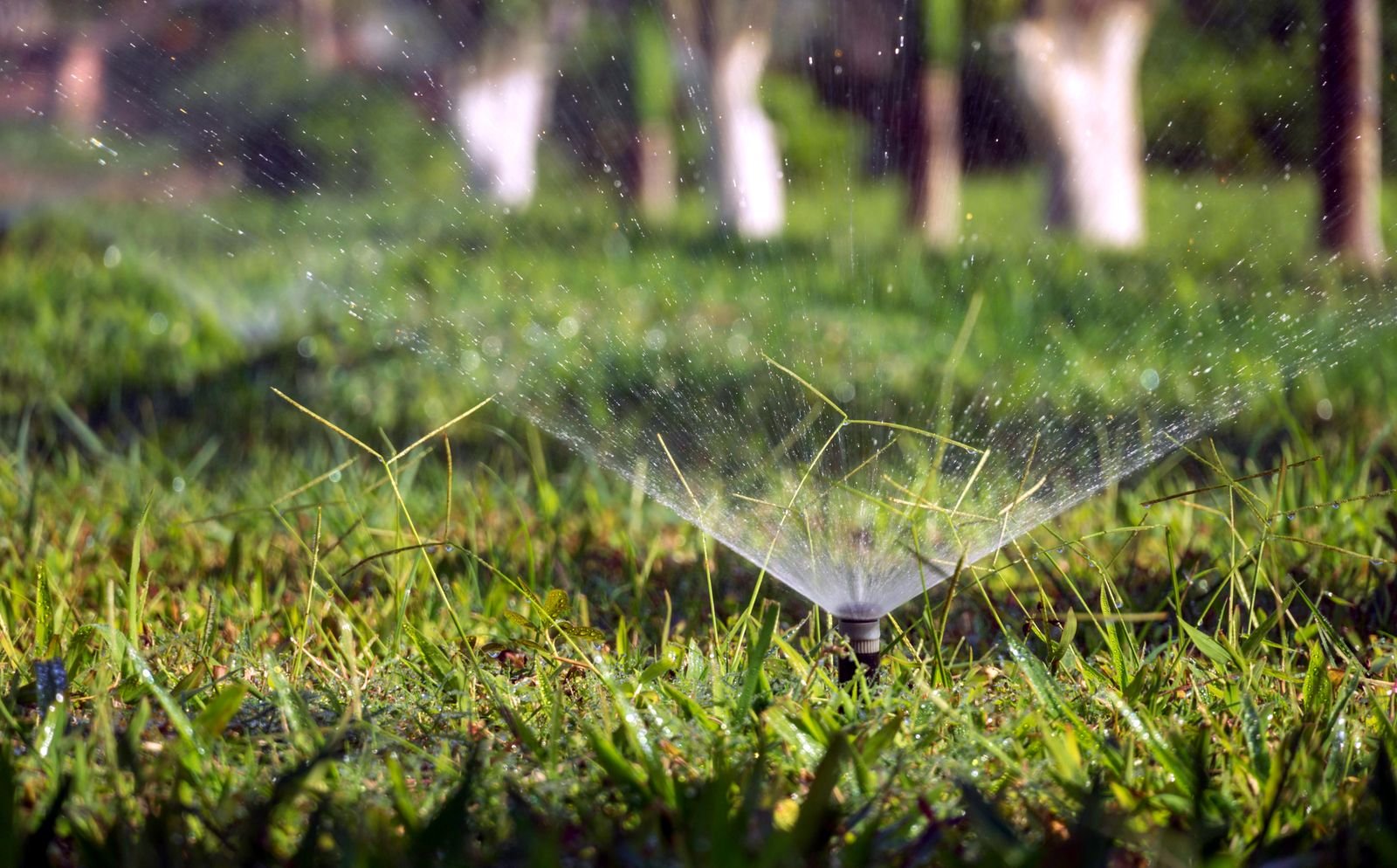
Before you settle into a lighter fall-into-winter watering schedule, walk the yard while the system runs and check that every head is popping up, spraying where it should, and not blocked by grass that grew over it during the summer growth spurt. A head that's been quietly misaligned or clogged all summer is a lot more noticeable once you're watering less overall, since there's less margin to compensate for a dry spot.
4. Get in the last meaningful fertilization before winter
If your lawn is going to get one more fertilizer application before winter dormancy approaches, early-to-mid fall is generally the window — late enough that you're not just feeding a lawn that still has months of hot growth ahead, but early enough that the grass has time to use it before slowing down further. A heavy nitrogen application too late in fall can leave St. Augustine more tender going into any cold snaps. If you're not sure where your lawn stands, a local pro can look at its condition and growth stage before recommending anything.
5. Repair bare or thin spots while there's still time to establish
St. Augustine fills in bare patches through spreading stolons, not seed, and it needs active growth to do that. September still offers a real window for sod patching or plugging thin areas before growth slows too much to establish well — wait much past October and any repair work may sit there half-rooted until spring. If summer chinch bugs, disease, or heavy foot traffic left bare patches, this is close to the last good stretch of the year to fix them properly.
6. Start the leaf and debris cleanup routine
Nocatee's tree canopy — live oaks especially — doesn't drop everything at once like a northern fall, but litter does start increasing through October. A layer of wet leaves left sitting on a lawn that's already growing more slowly blocks light and traps moisture against the grass, which is exactly the kind of damp, shaded condition that invites fungal disease. Regular clearing, rather than letting it build up, keeps the turf underneath from getting stressed.
7. Adjust your mowing height and frequency
As growth slows, you'll likely need to mow less often than the weekly (or more) pace of midsummer — but don't drop the cutting height when you do. St. Augustine still wants to stay in roughly the 3-to-4-inch range through fall; scalping a slower-growing lawn just stresses it further right when it has less capacity to recover. Keep the blade sharp too, since a slowing lawn heals torn grass tips more slowly than it did in summer.
8. Start thinking ahead to winter dormancy
You don't need to do anything drastic yet, but September and October are a good time to mentally shift gears: fertilizing, aggressive treatments, and heavy watering all taper off from here, while structural work — bed edging, mulch refreshing, hardscape cleanup — becomes more reasonable to schedule as the lawn's active growing season winds down. By late fall, the goal shifts from feeding growth to simply keeping the lawn healthy through its slower winter stretch.
Frequently Asked Questions
Should I still be watering my lawn as much in September as I was in July?
Probably not. As wet season rainfall tapers off through September and October, check your irrigation controller against actual rainfall and your assigned watering days rather than leaving a summer schedule running by default. Overwatering a lawn that's also getting fall rain is a common way fungal problems get started this time of year.
Is it too late to fix bare or thin spots in my lawn this fall?
Early-to-mid fall is generally still workable, since St. Augustine needs active growth to fill in through its spreading stolons. The window narrows as growth slows further into late fall and winter, so bare-spot repair is worth prioritizing now rather than waiting until spring if you can.
My lawn has brown, roughly circular patches — is that fall fungus or something else?
Circular brown or yellow patches, especially in shaded or damp areas, are consistent with brown patch fungus, which thrives in lingering humidity even as growth slows. It's different from chinch bug damage, which tends to show up in hot, sunny, drought-stressed spots. If you're not sure which you're looking at, a local lawn care professional can usually identify it on sight.
Do I need to fertilize my lawn again before winter?
Many Nocatee lawns benefit from one more light fertilization in early-to-mid fall before growth slows toward winter dormancy, but a heavy application too late in the season can leave grass more vulnerable to cold stress. If you're unsure, it's worth having a professional assess your lawn's specific condition before applying anything.
Most of this checklist comes down to paying attention during a transition month rather than doing anything dramatic — a lawn that gets its watering, fungus-watch, and cleanup right in September and October tends to head into winter in much better shape. If you'd rather have a local professional handle the seasonal adjustments, request free quotes and compare up to three Nocatee-area lawn care pros.