
Published September 2026 · Landscaping Ideas
Once the sun goes down, a lot of Nocatee yards go dark and stay that way — a missed opportunity in a climate where evenings outdoors are comfortable most of the year. Good landscape lighting does three things at once: makes walkways and steps safer after dusk, stretches the hours a backyard actually gets used, and makes a home look more finished from the street. It doesn't take a full yard overhaul to get there. Here are five focused ideas Nocatee homeowners can consider, from simplest to more involved.
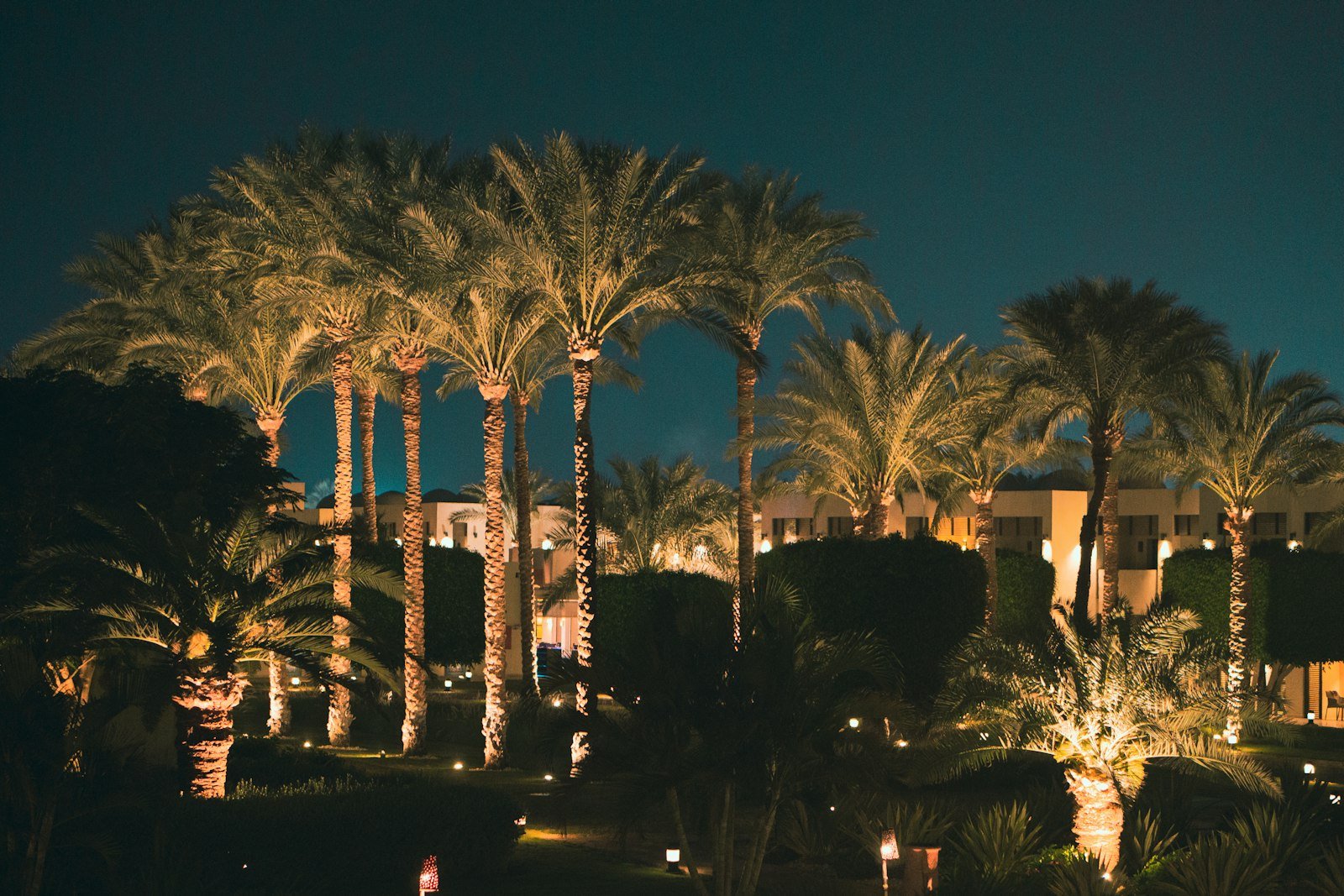
1. Uplight Mature Palms and Oaks for Dramatic Silhouettes
Nocatee lots often already have the raw material for this: mature palms, live oaks, or crape myrtles doing nothing for the property after dark. Uplighting — a fixture at the base aimed upward through the canopy or along the trunk — turns a tree into a nighttime focal point with dramatic silhouettes against the sky or house. Palms suit this especially well, since their trunk lines and fronds create striking shapes when lit from below, and it's one of the more impactful ideas here for the hardware involved — often just a few fixtures change how the whole yard reads at night.
Fixture placement and beam angle matter more than fixture count — one well-aimed light on a specimen tree usually beats several scattered ones. Because roots and irrigation lines are already established around mature trees, this is a spot where professional installation tends to pay off, routing wiring without disturbing them.
2. Add Pathway and Step Lighting for Safety and Curb Appeal
This is the most functional idea on the list: low, evenly spaced fixtures along a front walkway, driveway edge, or backyard path make uneven pavers, steps, and transitions visible after dark, while giving the property a soft, welcoming glow from the street. Step lighting — small fixtures near stair risers — matters even more, since steps are where most after-dark trip hazards occur.
Most homeowners want a consistent, gentle glow rather than a runway of bright spots — usually a warm color temperature and fixtures spaced farther apart than the box suggests, since path lights are easy to overuse.
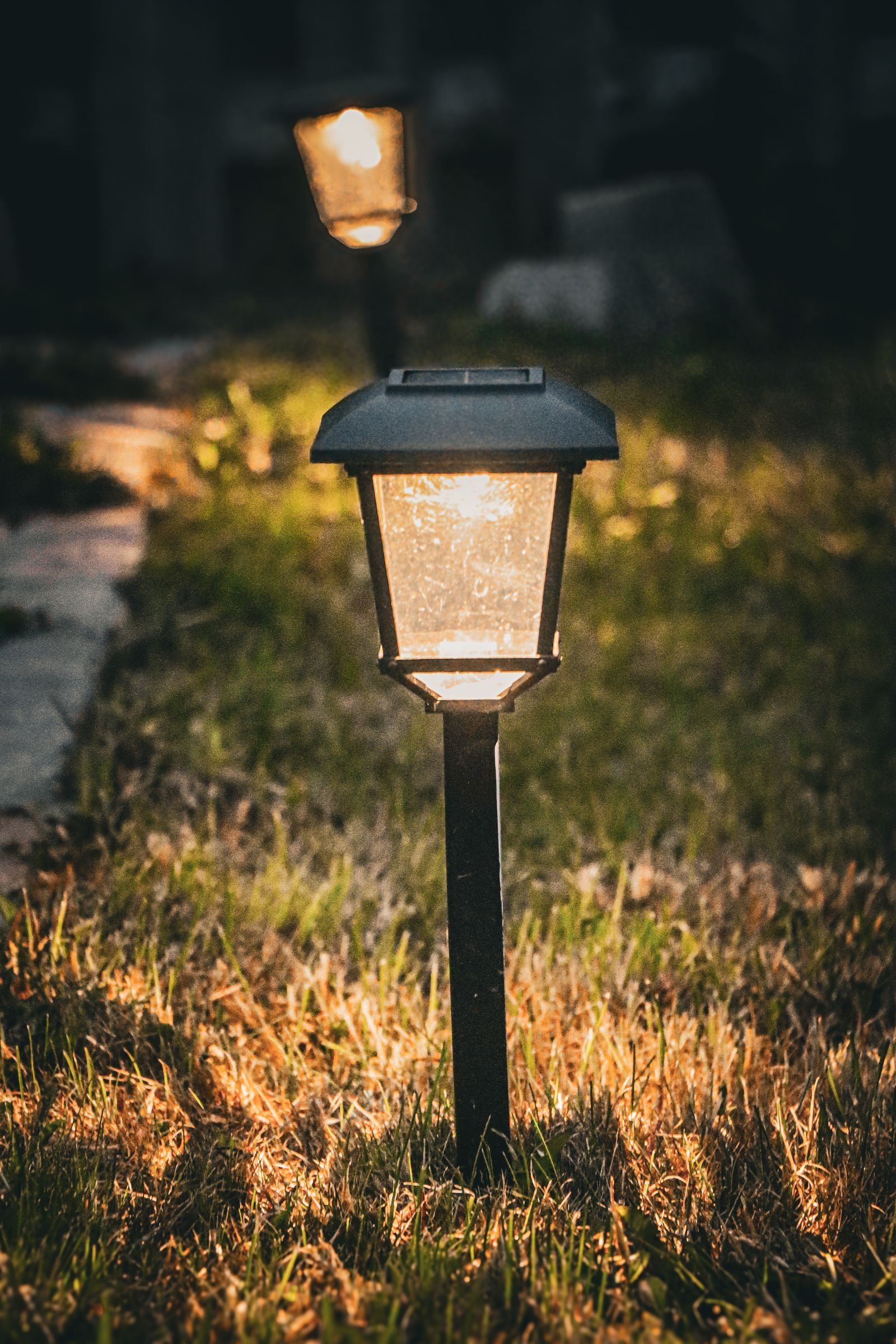
Low-Voltage LED Is the Modern Standard
Whichever idea a homeowner pursues, it helps to know the baseline technology. Most residential landscape lighting today runs on low-voltage (typically 12-volt) LED systems powered through a transformer, rather than standard household wiring. Low voltage is safer to install and work around outdoors, uses meaningfully less electricity than older halogen setups, and LED fixtures last far longer before a bulb needs replacing — worth noting for fixtures buried in a bed or mounted up in a tree canopy. An old halogen system running up the electric bill is often a good candidate for an LED conversion alongside any new fixtures.
3. Bring Accent Lighting to the Patio and Outdoor Living Space
For many Nocatee homeowners, the patio, lanai, or outdoor kitchen is where landscape lighting has the biggest everyday payoff, since it directly extends the hours that space gets used. Northeast Florida's warm evenings are exactly what outdoor living areas are built for, but a patio that goes dark at sunset stops being usable right as it gets comfortable. Layered lighting — string lights overhead, sconces or step lights along seating walls, and subtle accents on nearby beds — creates a space people want to linger in after dinner.
The practical goal is usable light without glare: enough to see a plate or a book, without a bare bulb at eye level from the seating area. Dimmable, warm-toned fixtures read as more comfortable for lounging than bright, cool-white light. Extending accent lighting a few feet into the surrounding beds, rather than stopping abruptly at the patio's edge, also helps the space feel bigger and more intentional at night.
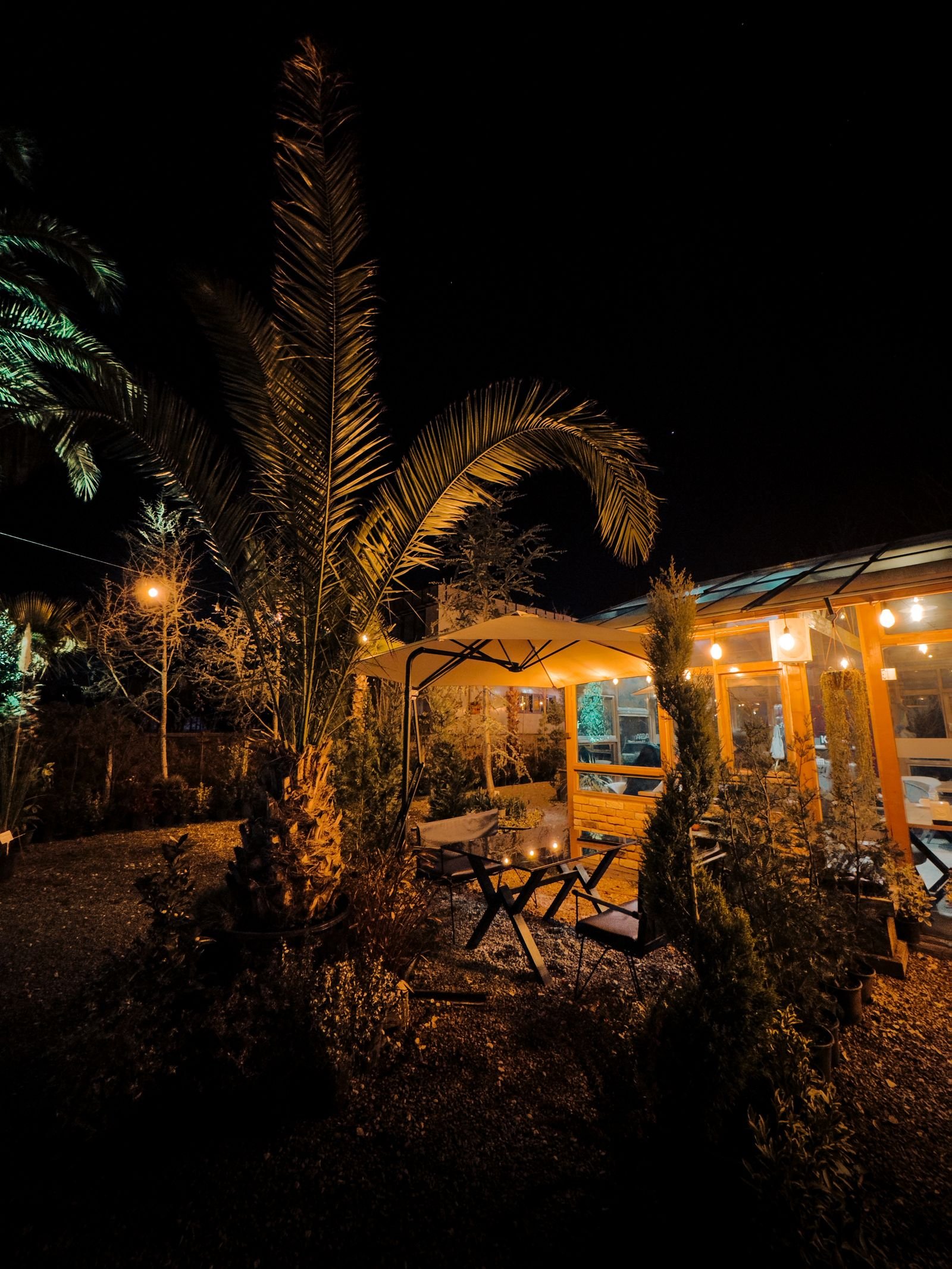
4. Keep Pool-Area Lighting Subtle
Pools are common across Nocatee's newer neighborhoods, and the area around one deserves its own lighting thought, separate from in-pool lighting itself. The goal is usually subtlety: soft perimeter or bed lighting that lets people see the deck edge and steps clearly, without harsh glare bouncing off the water or shining into anyone's eyes while they swim or lounge. Low-profile fixtures tucked into adjacent beds, or small deck-level lights along the pool's edge, tend to work better than tall, bright fixtures close to the water.
Any electrical work near a pool also has real safety stakes — proper grounding, fixture rating, and code compliance aren't optional, which is a good reason to have a licensed professional handle pool-adjacent lighting rather than treating it as DIY.
5. Highlight the Entry and Architectural Features
The front entry is the first thing anyone — guests, delivery drivers, potential buyers down the road — sees of a home, and it's often the most underlit part of the property. A couple of well-placed fixtures that wash light across the front door, frame a covered entry, or highlight a gable, columns, or a stacked-stone accent can make a home look considerably more finished after dark, without lighting the entire front elevation. It's also one of the more modest projects on this list in scope, making it a reasonable starting point for a homeowner easing into landscape lighting.
A little goes a long way here — the goal is highlighting the door and surrounding architecture, not floodlighting the whole front of the house. Fixtures mounted low and aimed upward, paired with modest light directly on the entry, usually reads as more intentional than one bright fixture mounted high and pointed straight down.
A Few Things Worth Considering Before Installing
Timers and Smart Controls
Almost no one wants to flip a switch every evening and remember to turn it off later. Photocells, timers, and smart/app-based controllers are all common ways to automate landscape lighting, and many newer systems let different zones — pathway, patio, uplighting — run on their own schedules. This matters more than it seems: automated lighting means the system actually gets used consistently rather than sitting dark most nights.
Avoiding Light Pollution and Glare
More fixtures and higher brightness aren't automatically better. Lighting that's too bright, poorly aimed, or uses a harsh white color temperature can wash out the softer effect that makes outdoor lighting attractive, and can spill unwanted light onto neighboring properties or bedroom windows. Warmer color temperatures and shielded fixtures that direct light down or outward generally beat a maximalist approach.
Check HOA Guidelines First
Nocatee's neighborhoods, like most planned communities, often have HOA architectural guidelines touching on exterior lighting — fixture visibility, brightness, color temperature, or approval processes. Before buying fixtures or scheduling installation, check your specific village's guidelines, since requirements can vary and this is a far easier step to take before installation than after.
Frequently Asked Questions
Is landscape lighting worth it for a typical Nocatee yard, or is it mostly for larger, high-end properties?
It scales well either way. A handful of pathway lights and a couple of uplights on a favorite tree can meaningfully change how a modest yard feels at night, while larger properties can layer in more zones. Most homeowners start small and add on over time rather than lighting the whole property at once.
Can I install landscape lighting myself, or does it need a professional?
Simple low-voltage pathway light kits are approachable as a DIY project for some homeowners. Tree uplighting around established roots and irrigation lines, anything near a pool, and whole-property systems with multiple zones generally benefit from professional installation, both for a cleaner result and, near a pool, for safety and code compliance.
Will landscape lighting increase my electric bill a lot?
Modern low-voltage LED lighting draws relatively little power compared to older halogen systems, and pairing it with a timer or photocell so it only runs when needed keeps usage further in check. Exact impact depends on fixture count and nightly run time, which a local installer can walk through for your setup.
Do I need my HOA's approval before adding landscape lighting?
Possibly — many Nocatee village HOAs have architectural guidelines touching on exterior lighting, so it's worth checking your neighborhood's rules or asking your HOA before installation rather than after. Requirements can differ from one village to the next.
Ready to see what these ideas would look like on your own property? Submit one quick request and get matched with local landscape lighting professionals who can walk your yard and talk through what makes sense for your layout.